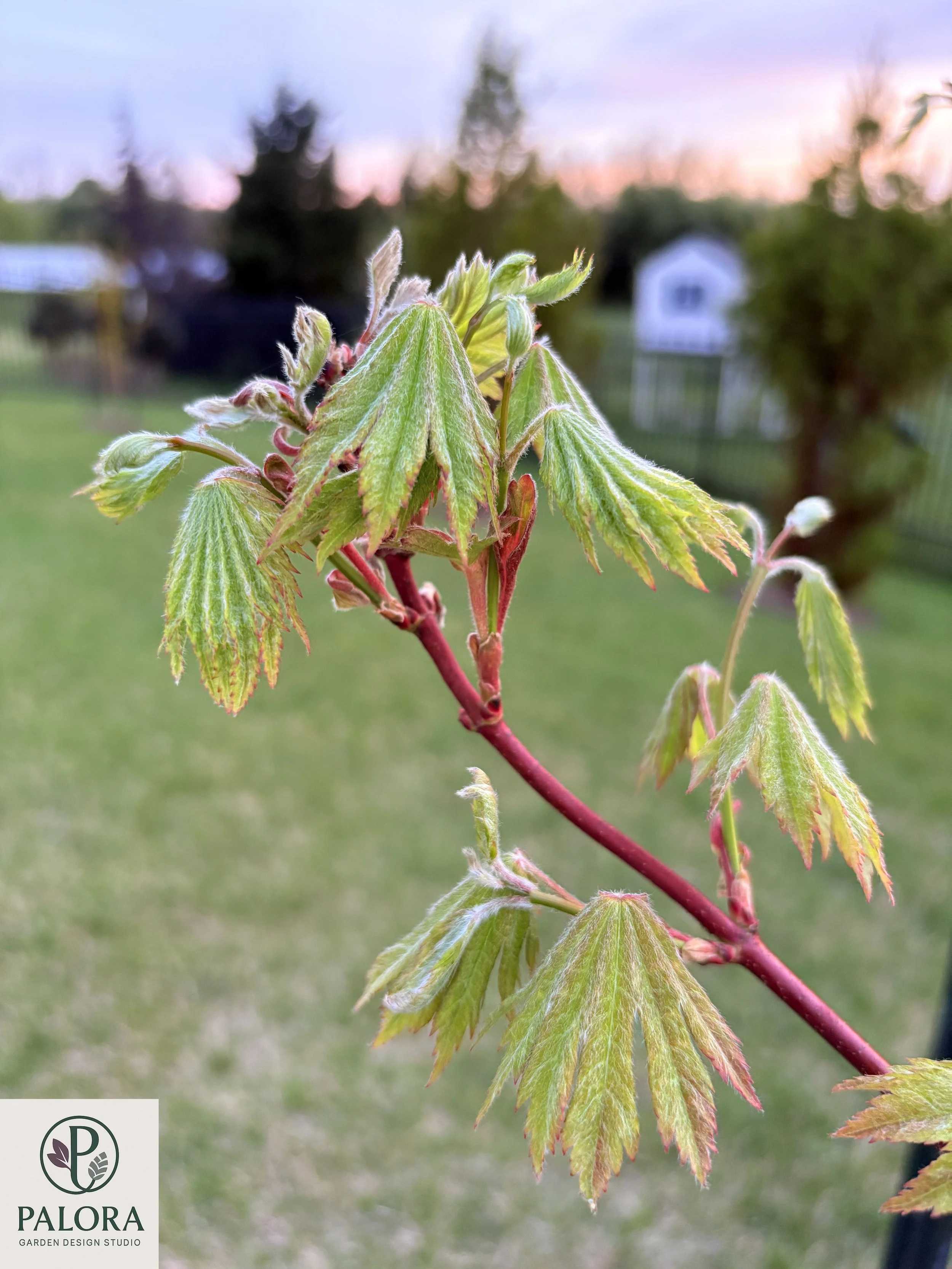
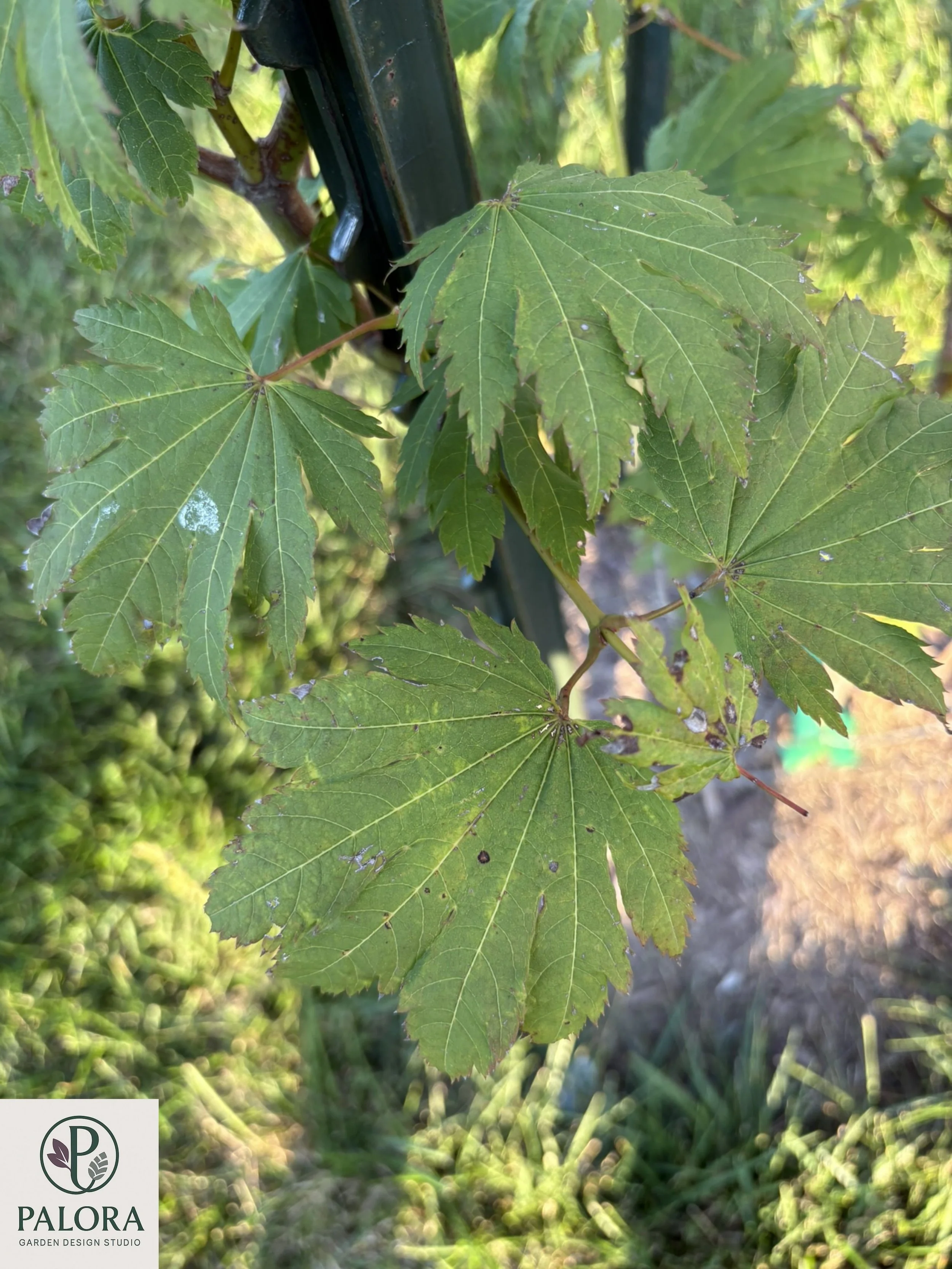
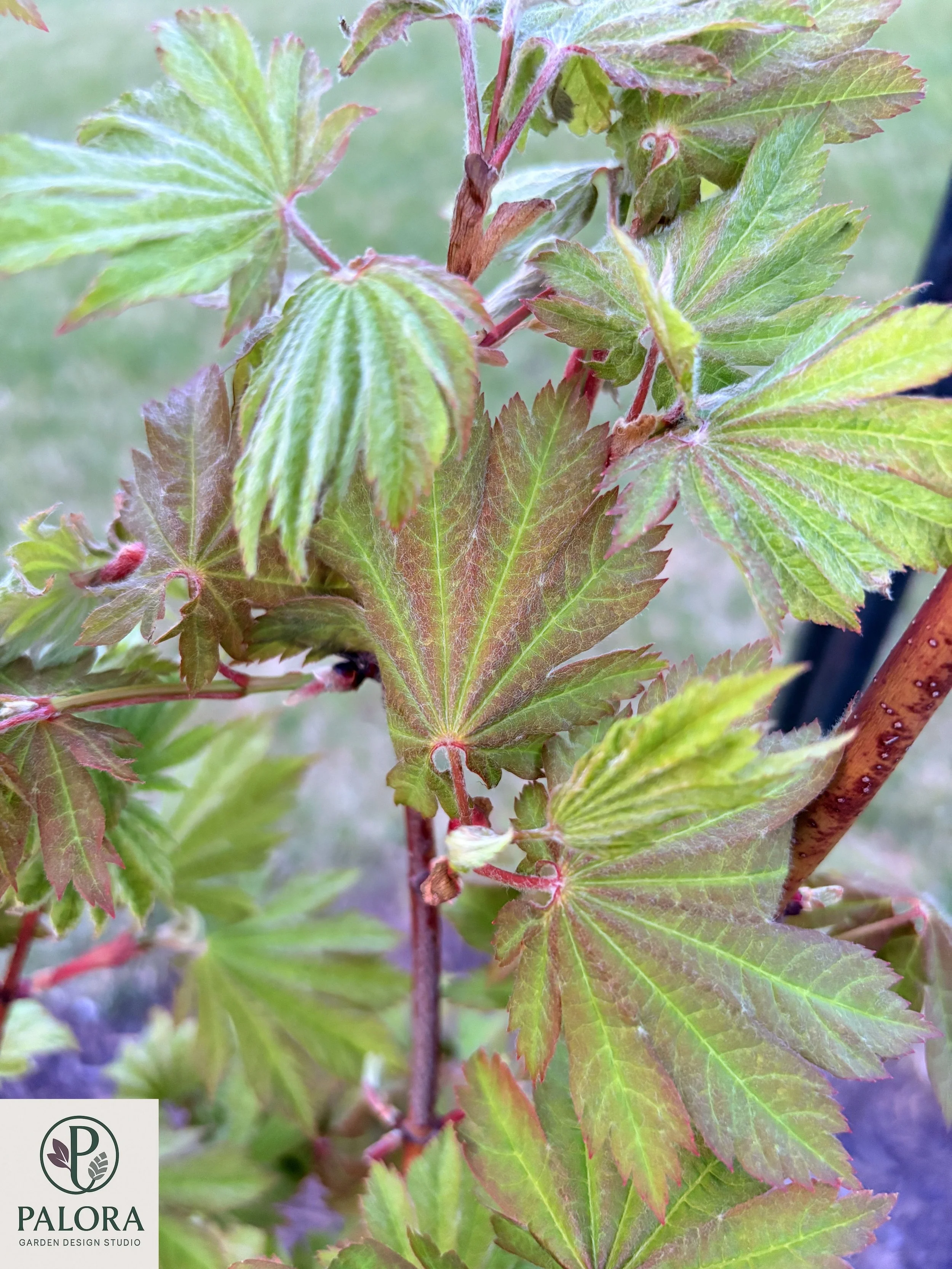
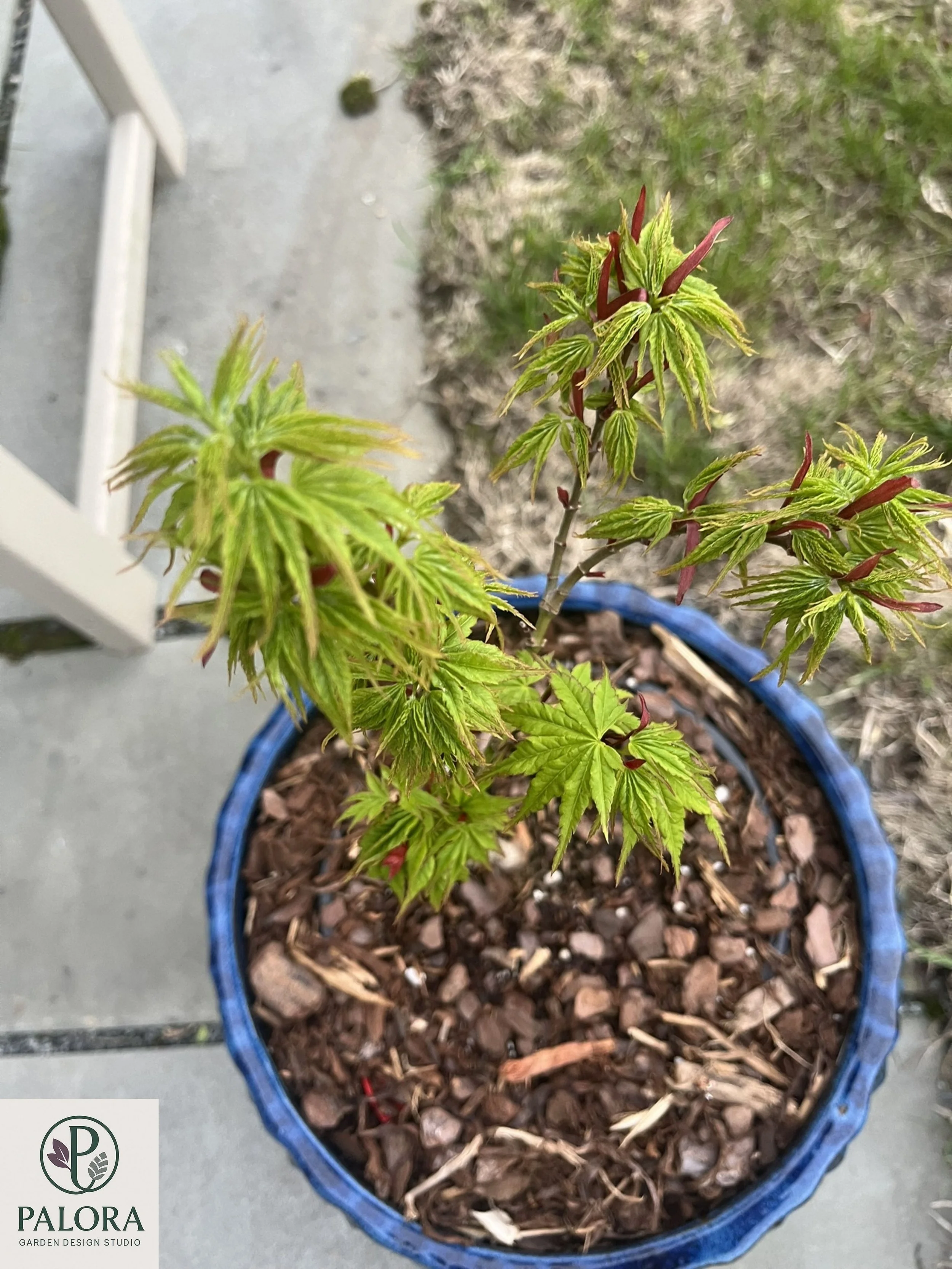
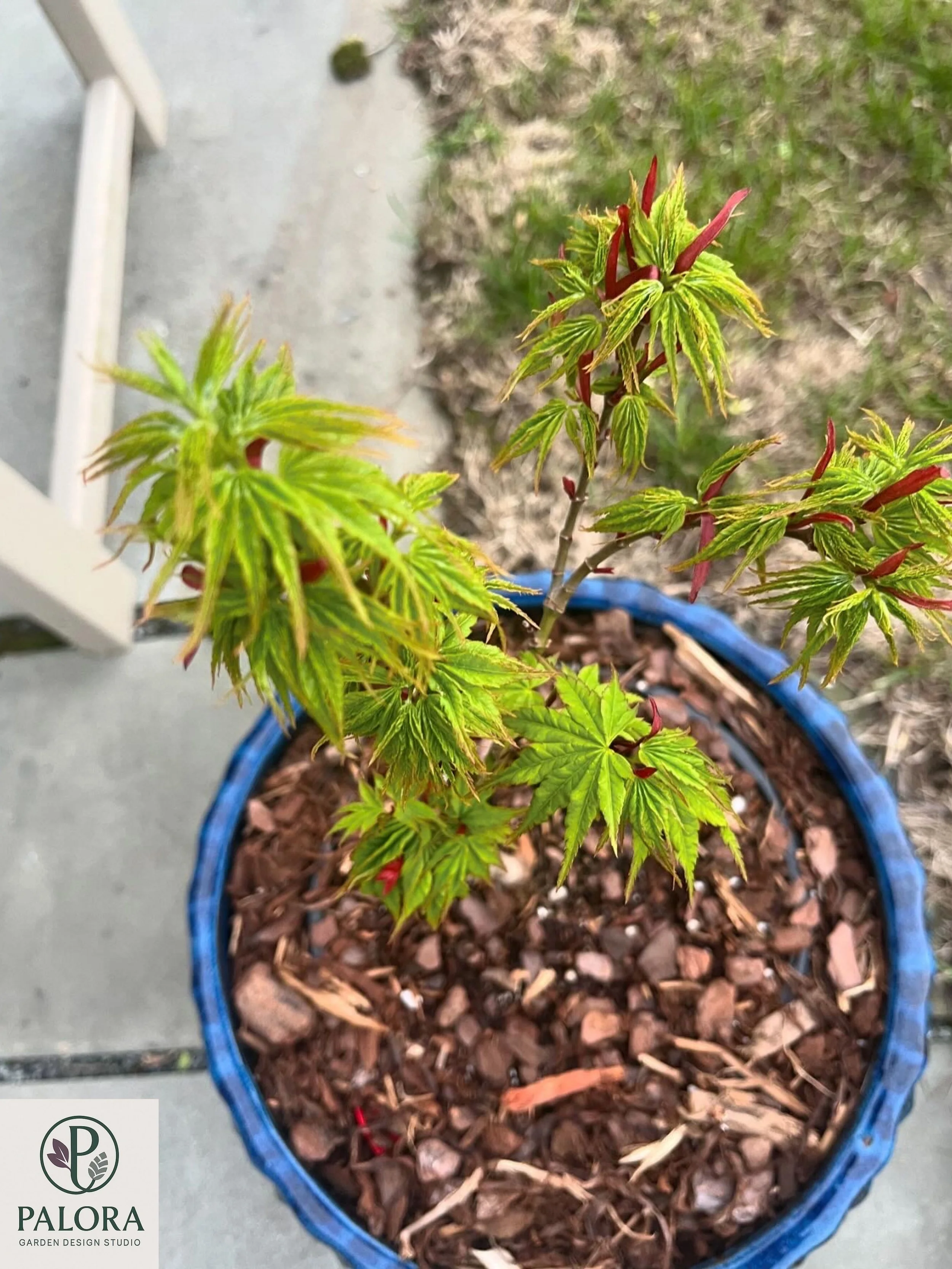
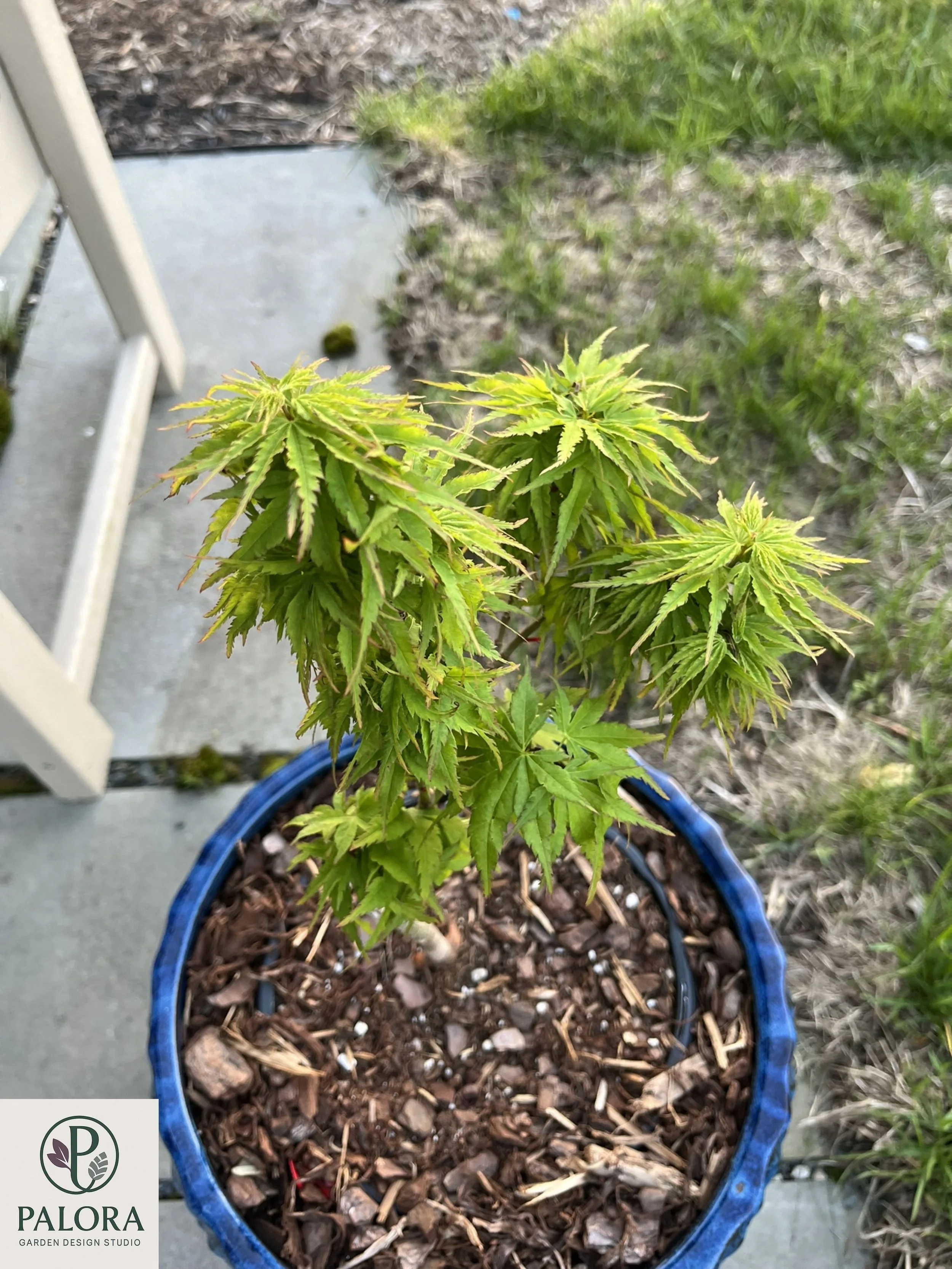
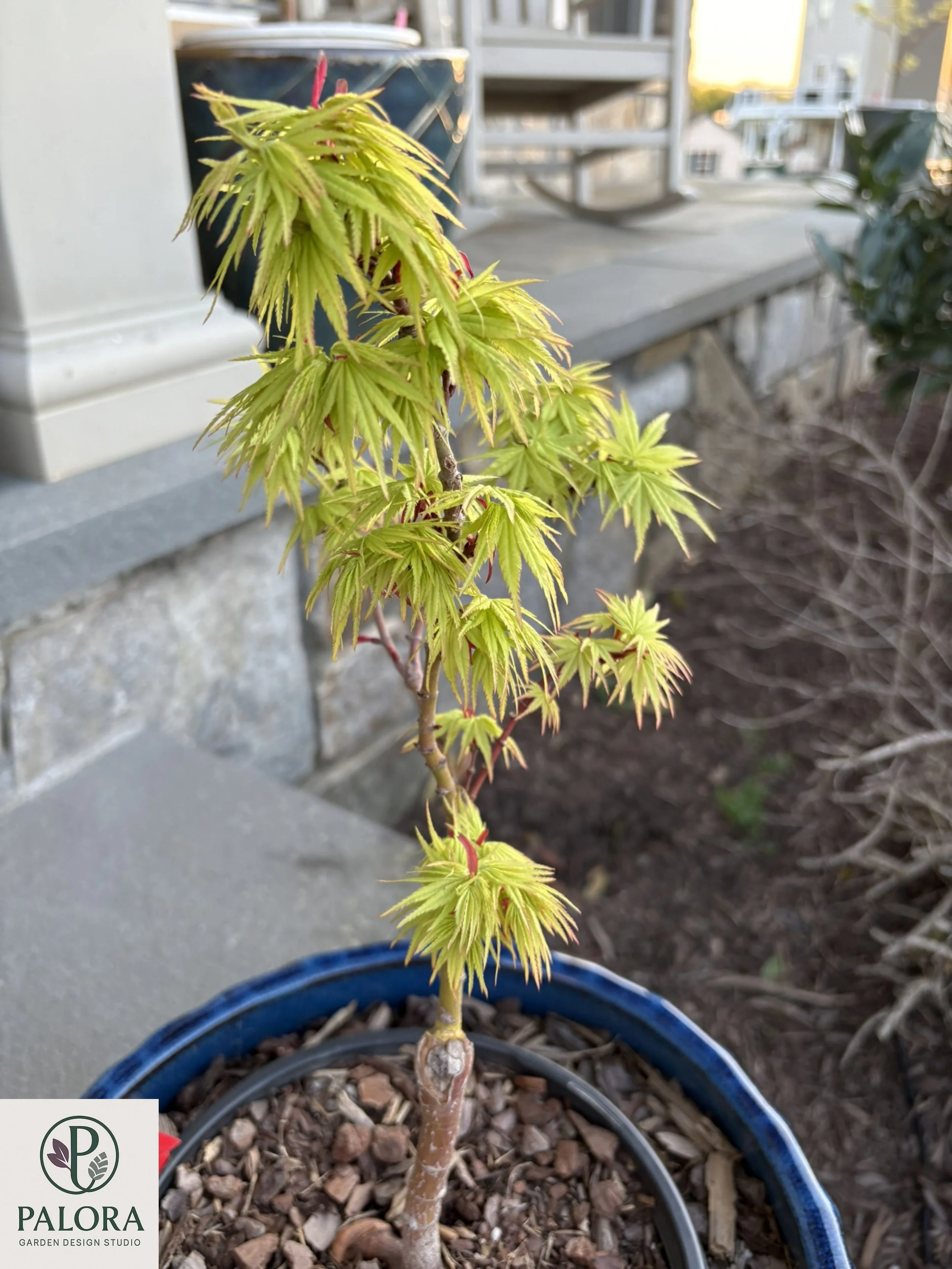
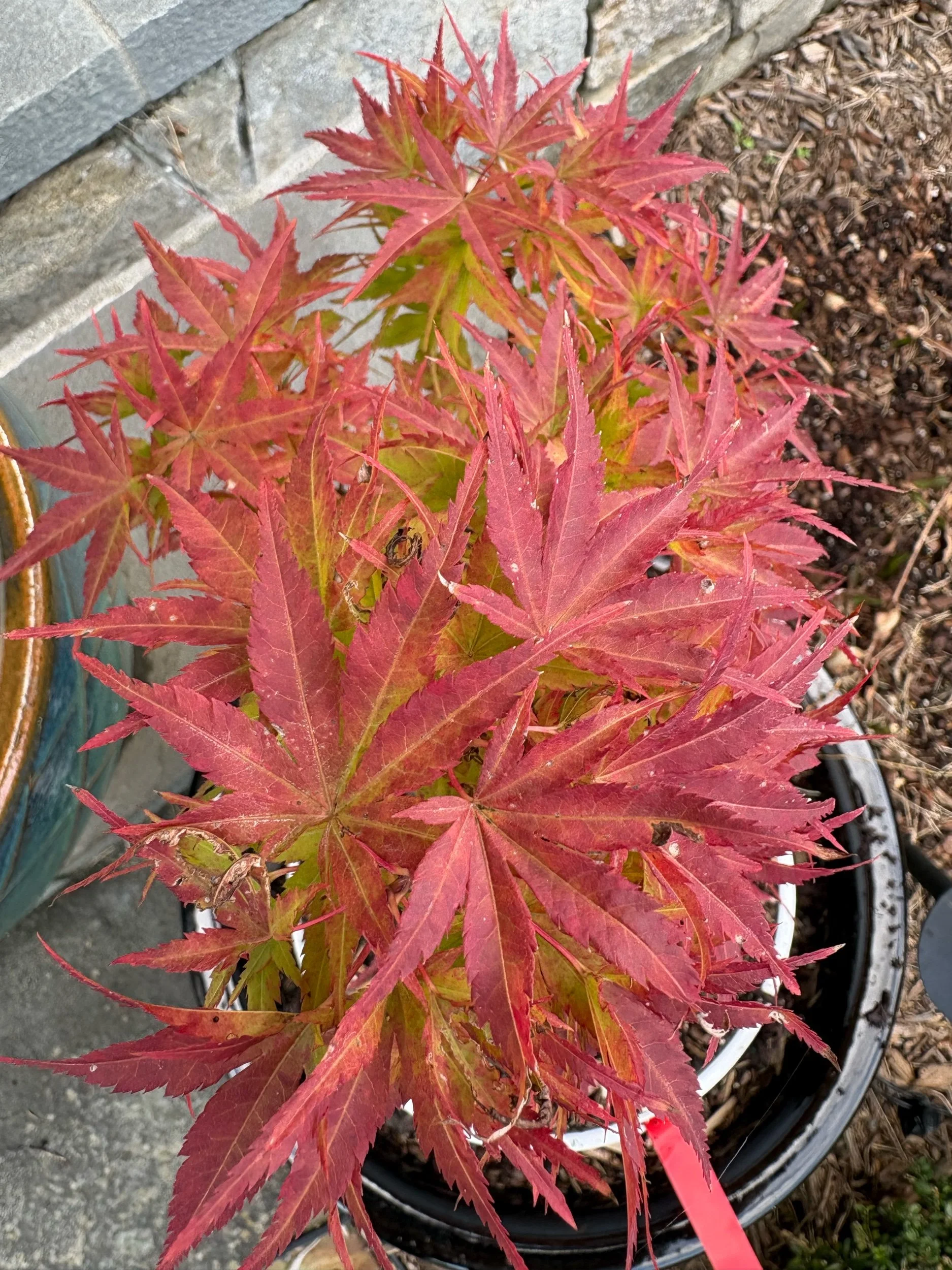
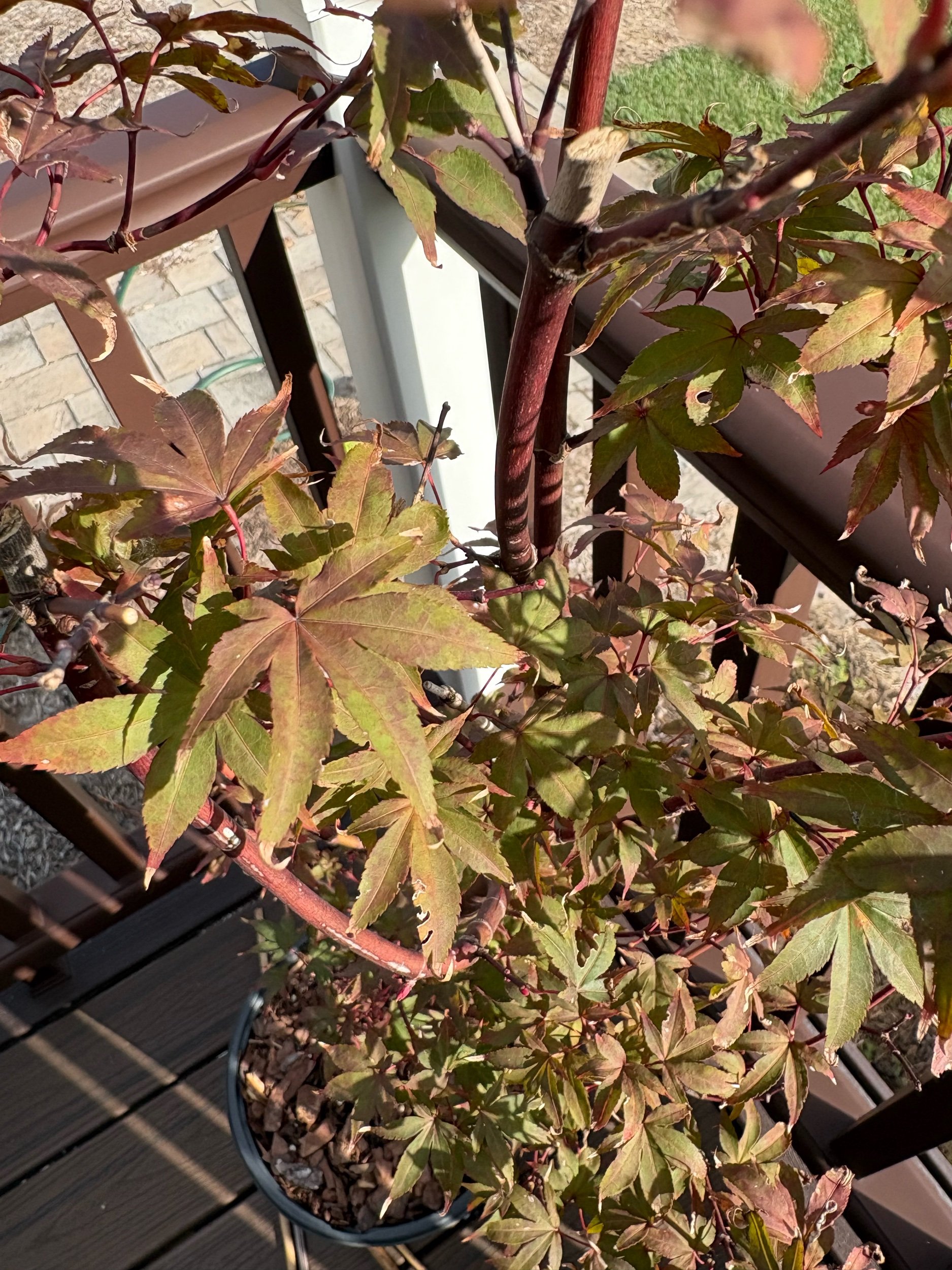
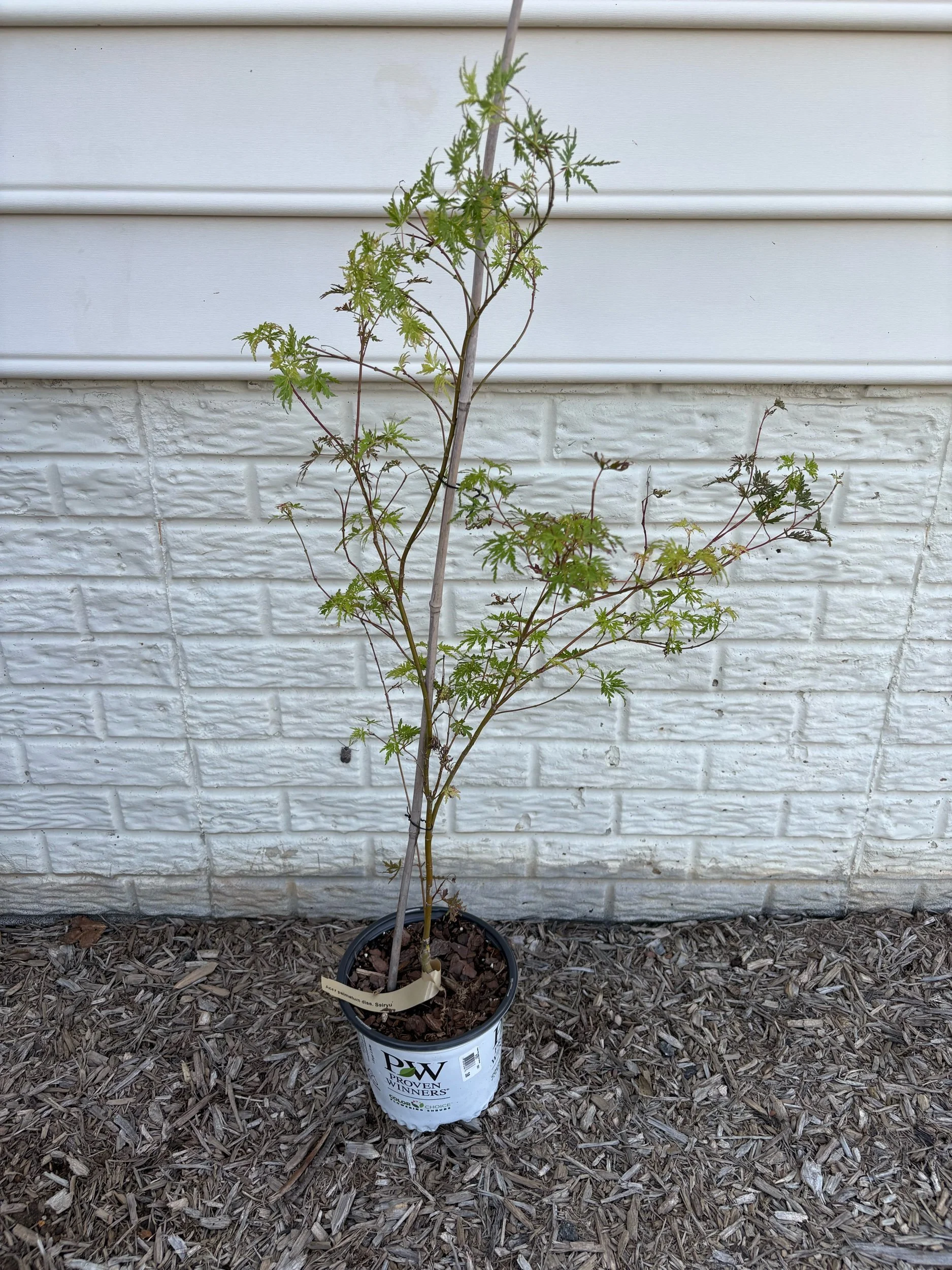
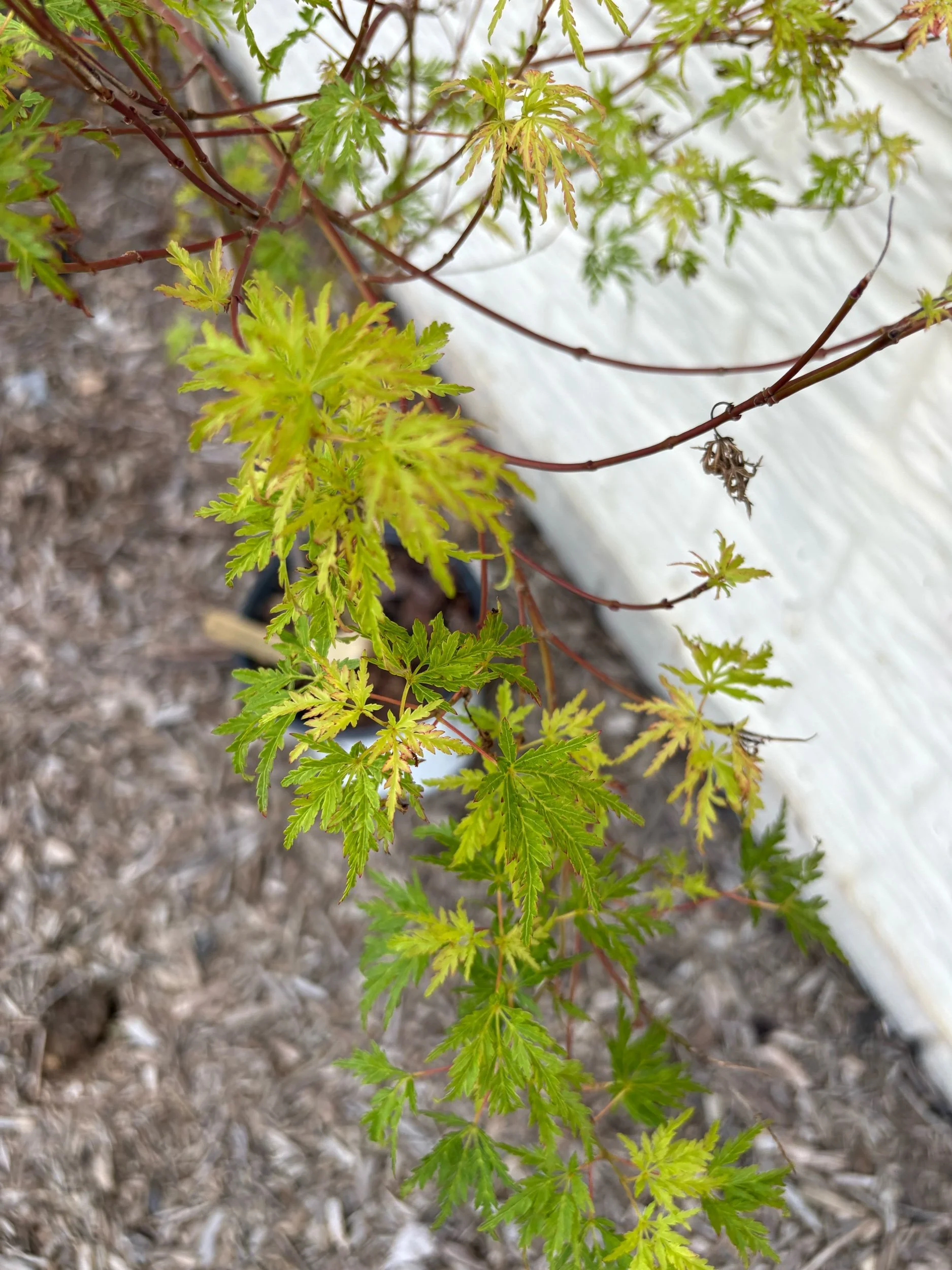
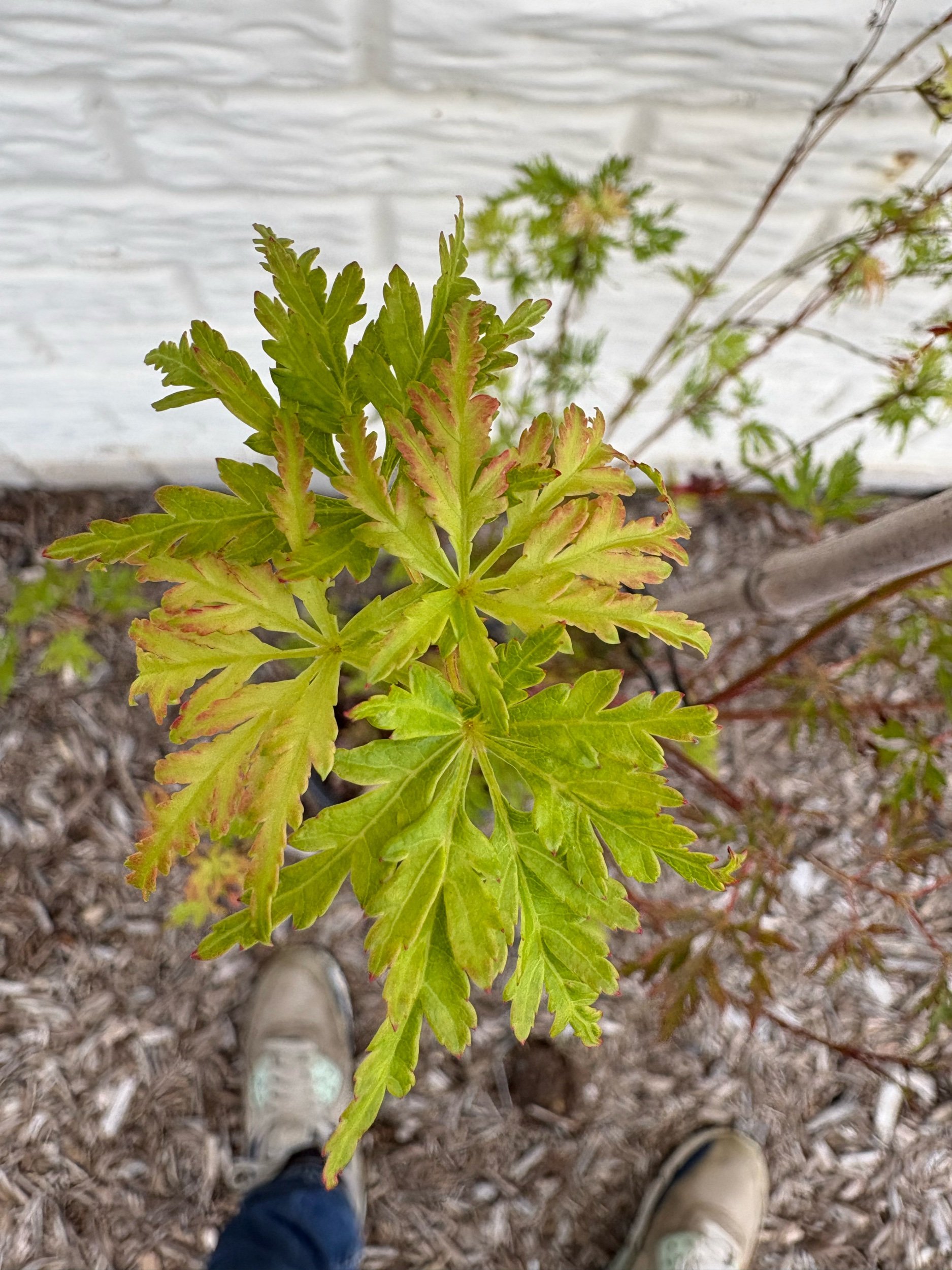
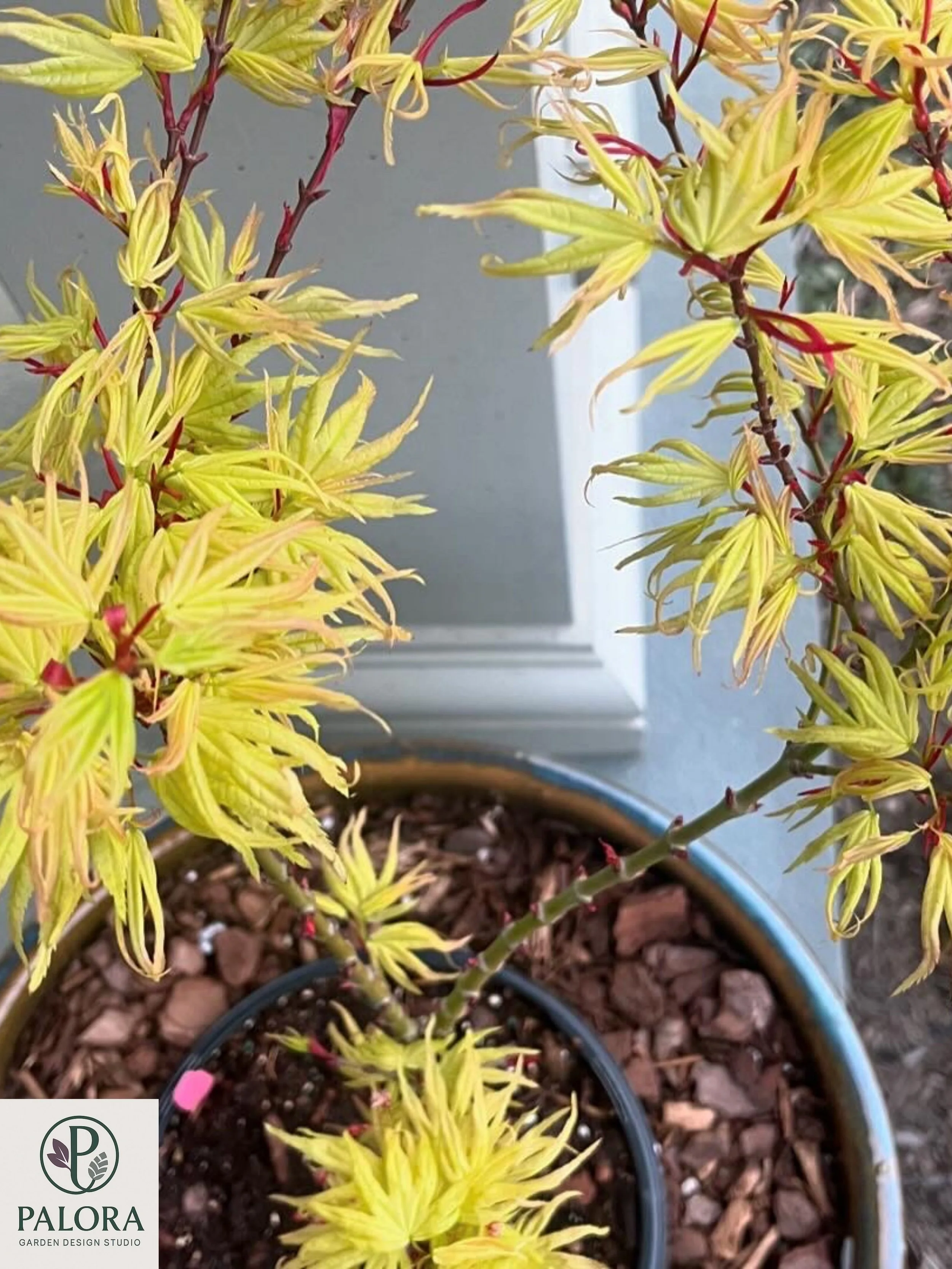
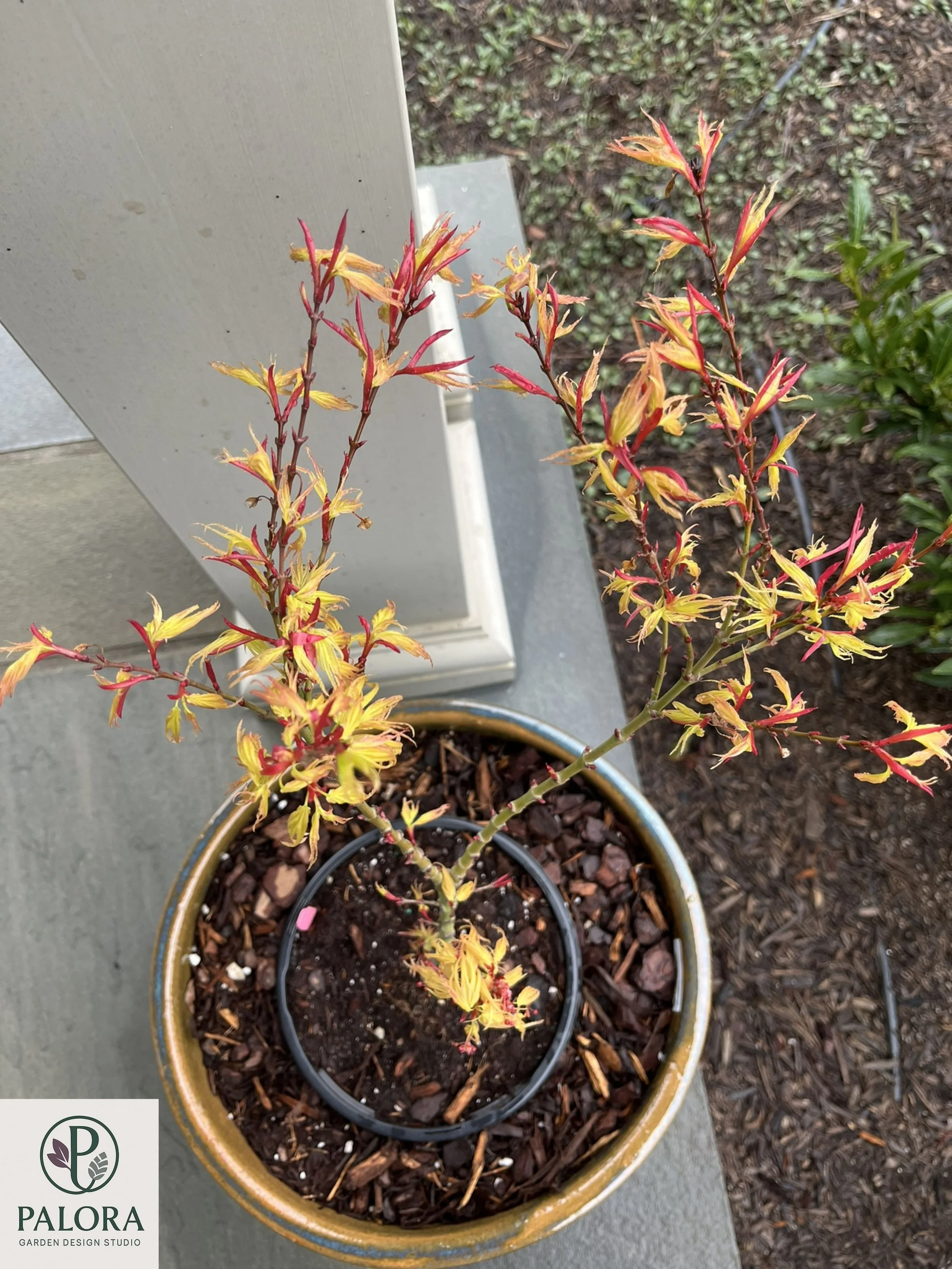
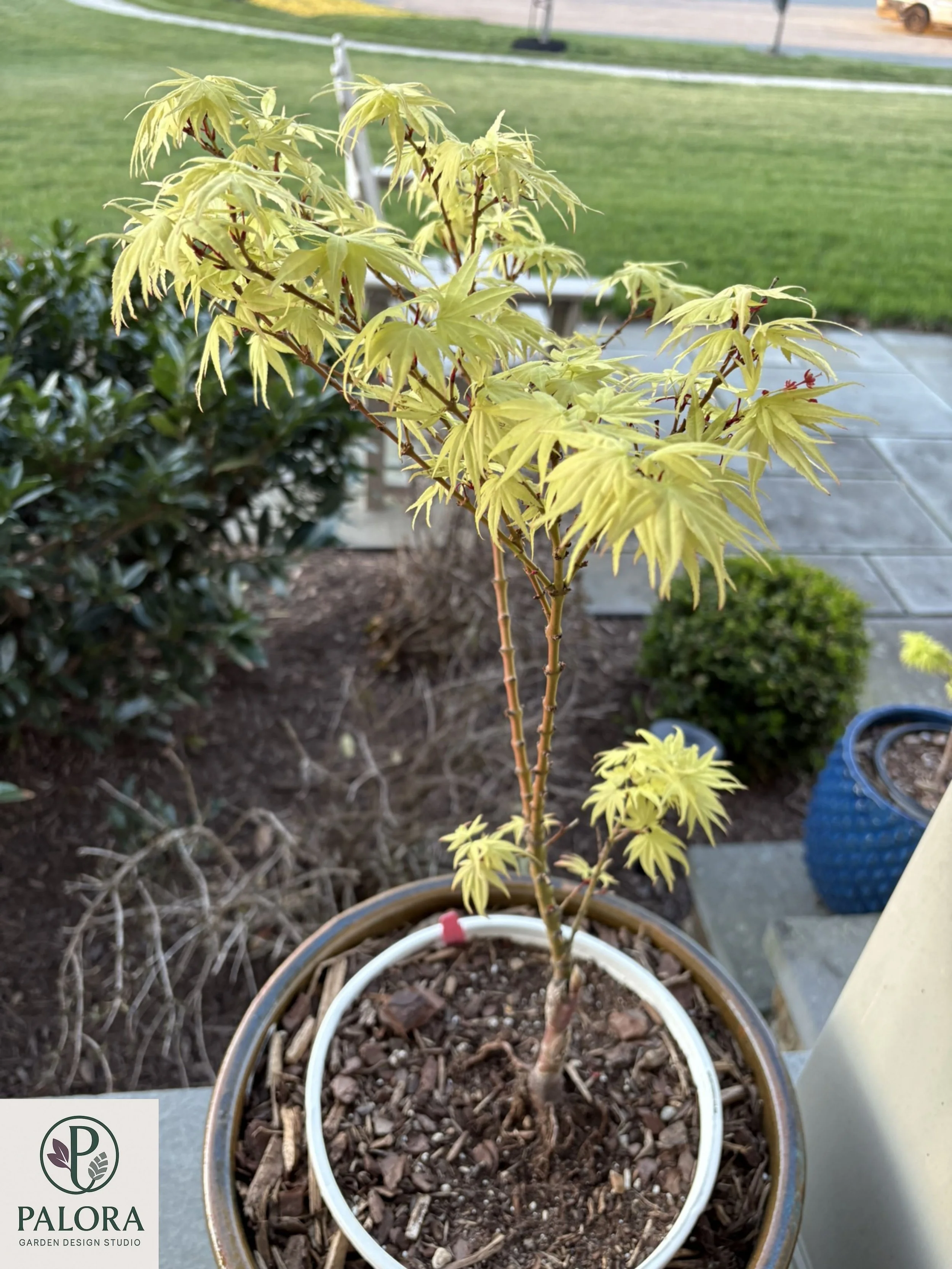
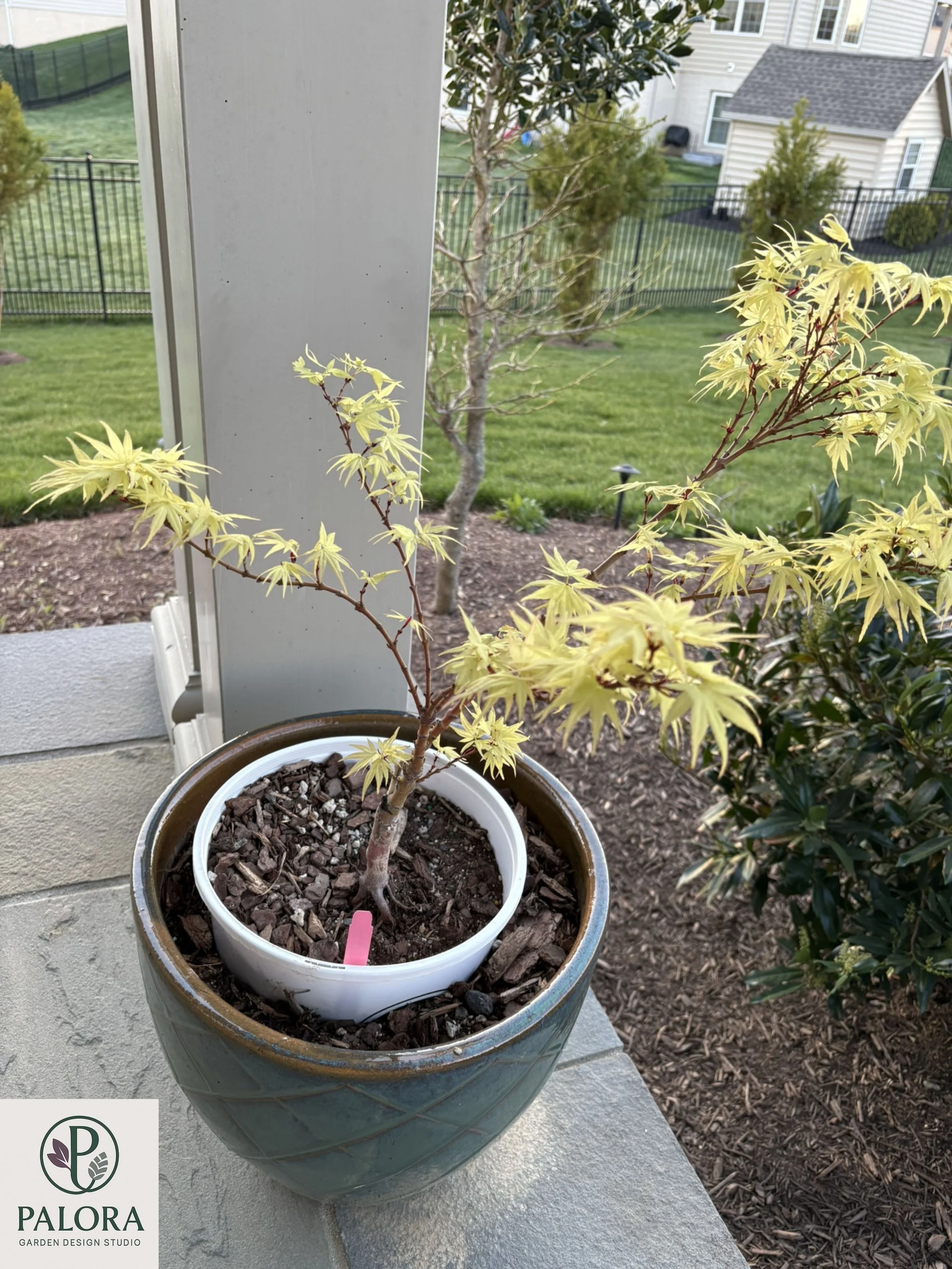
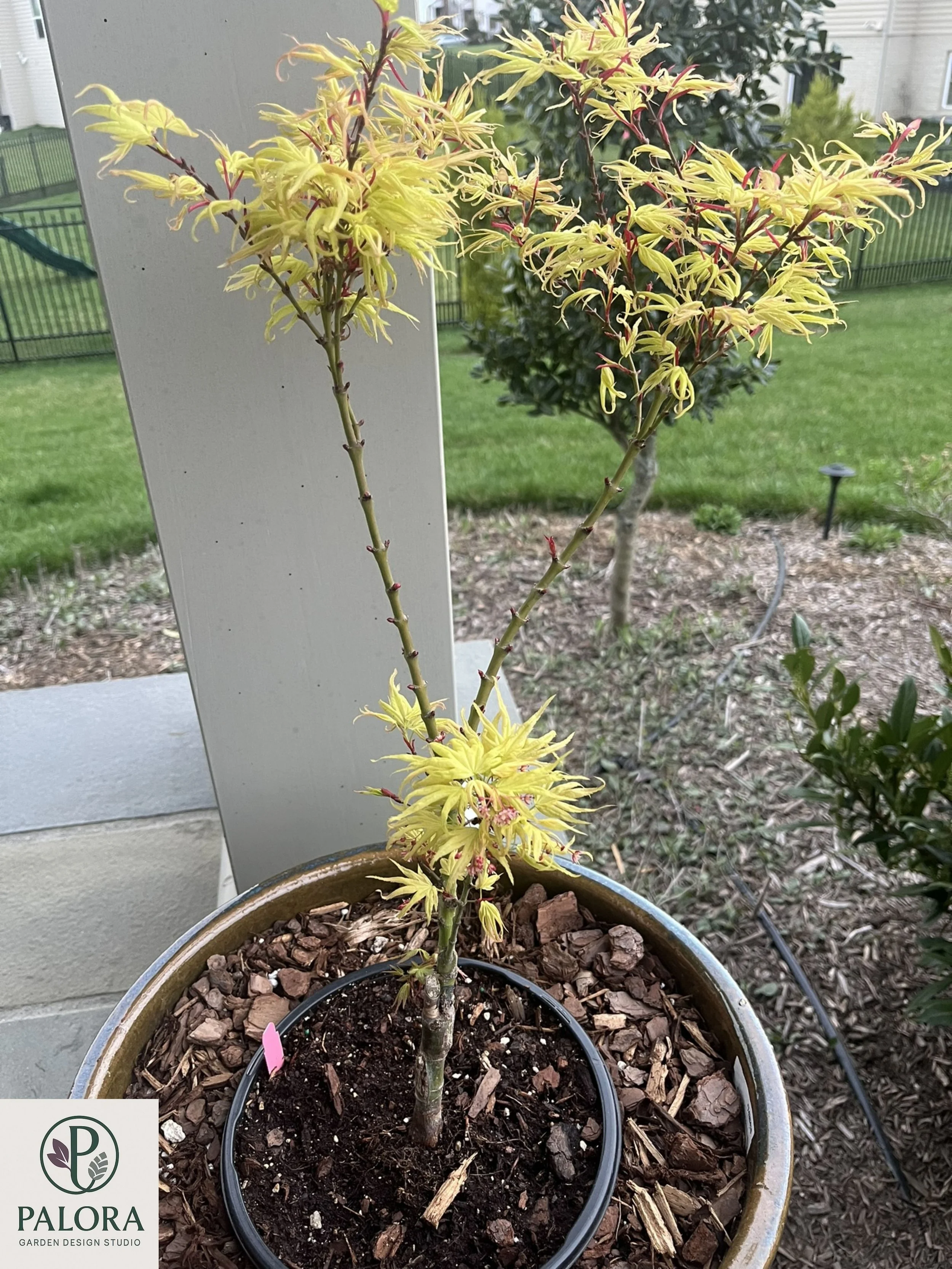
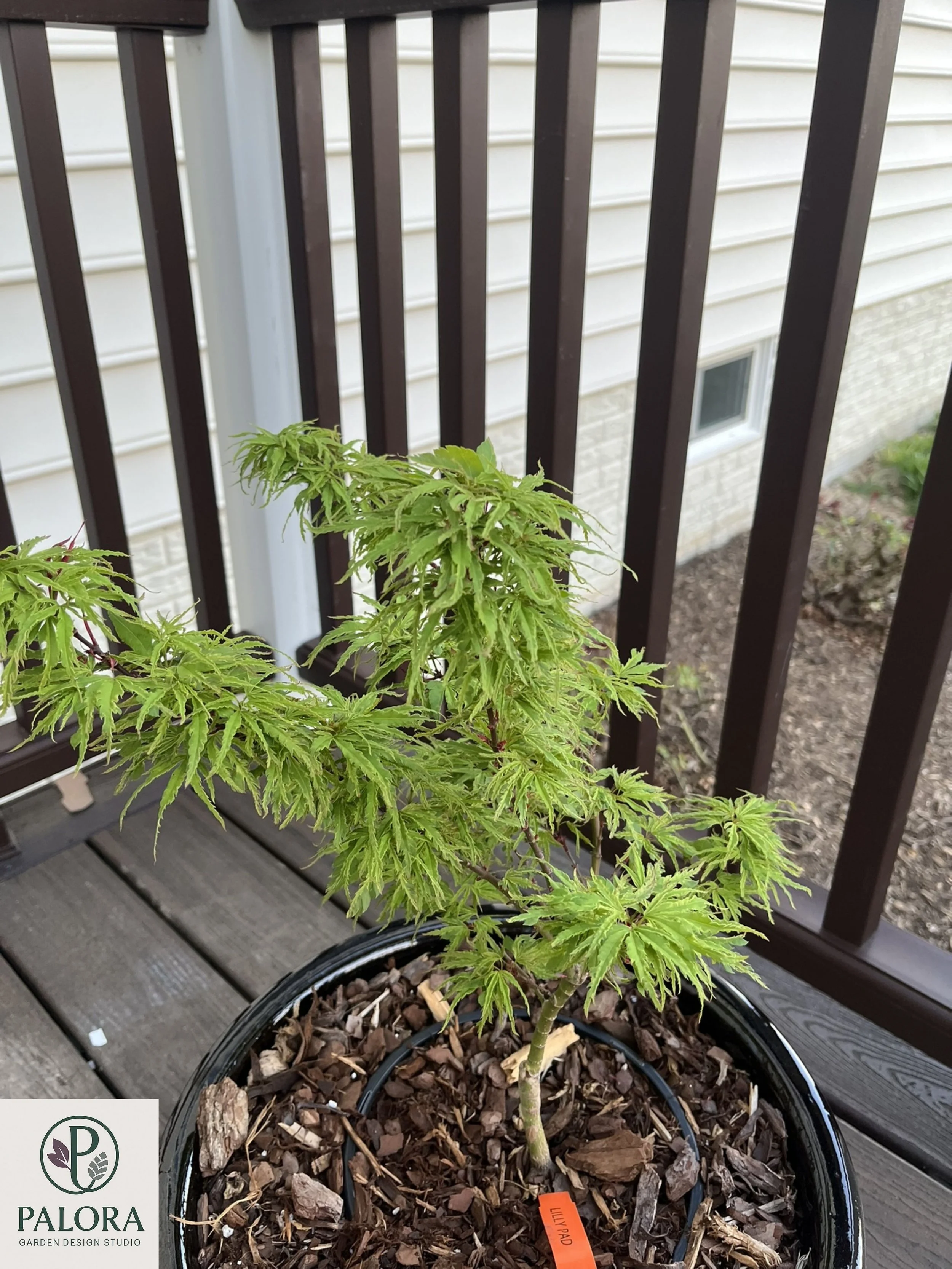
 Image 1 of 3
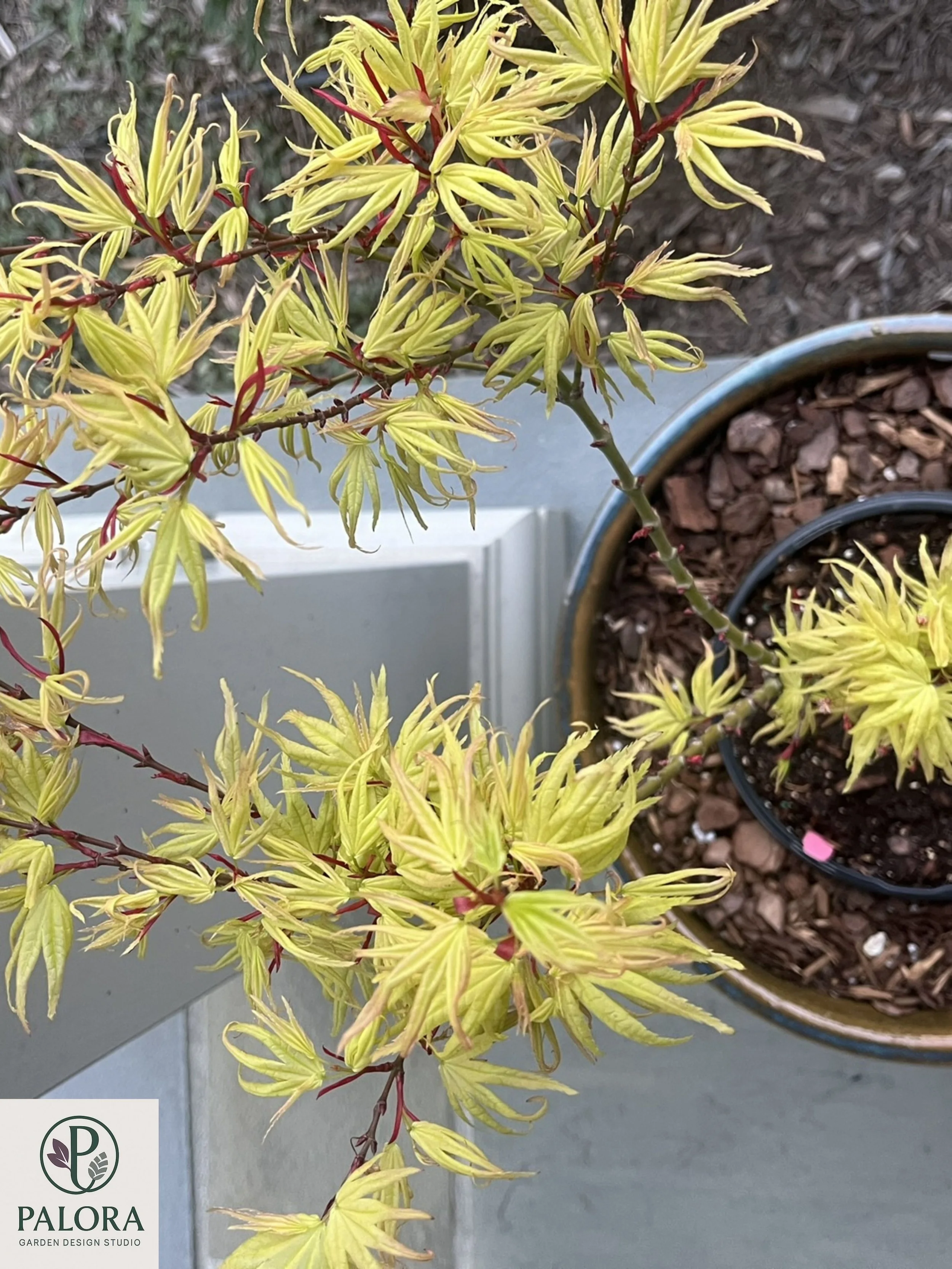
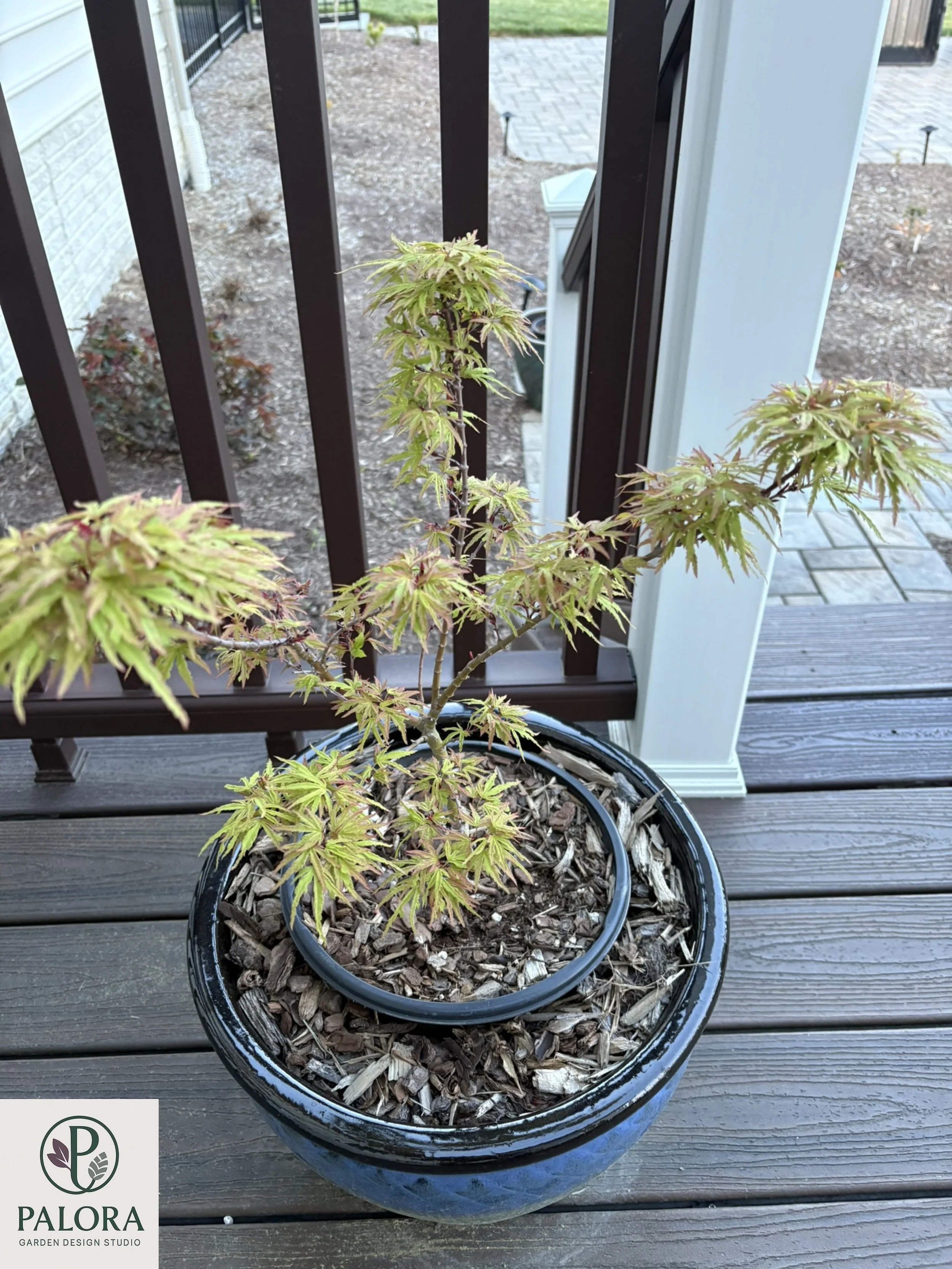 Image 2 of 3
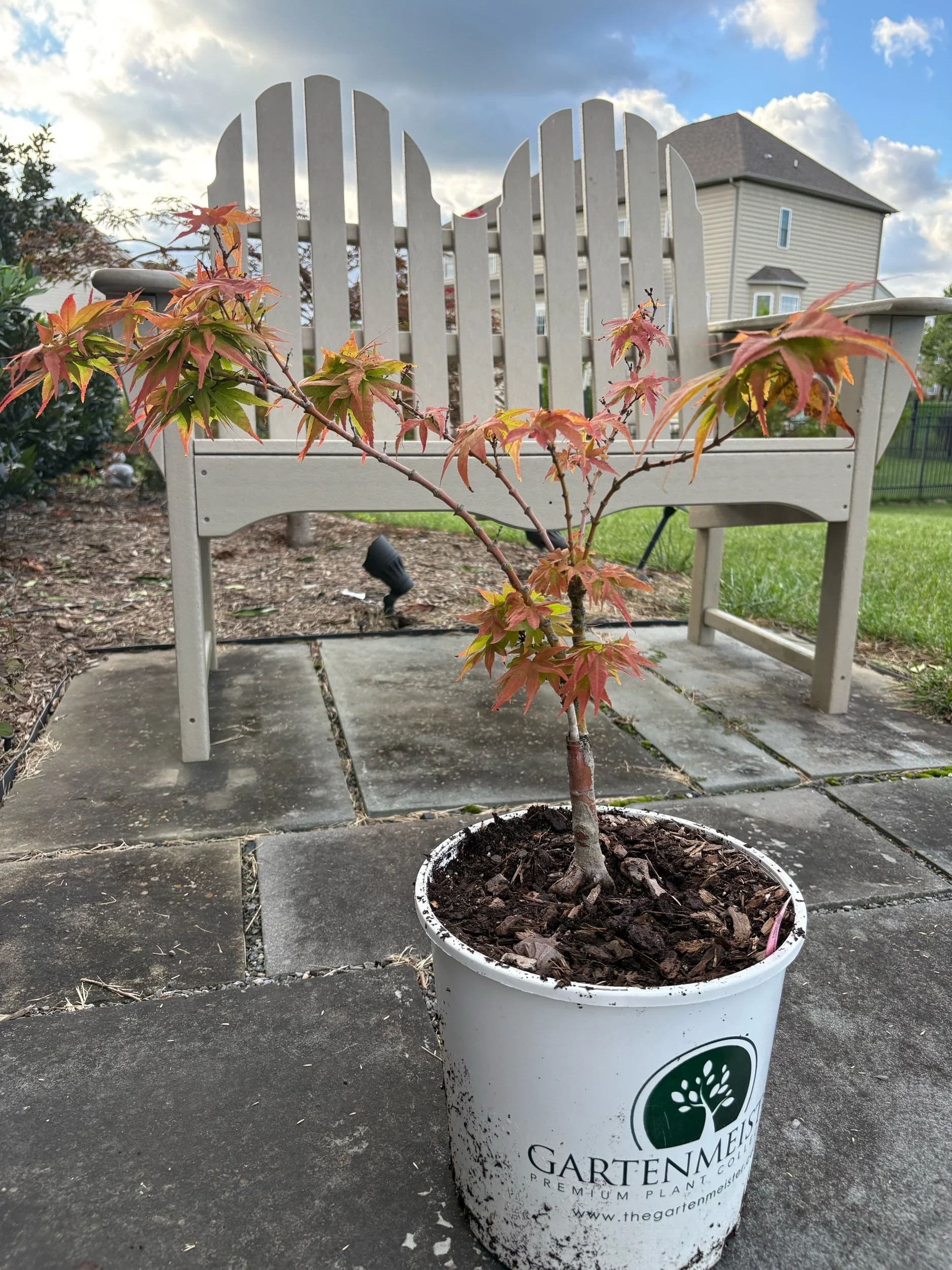
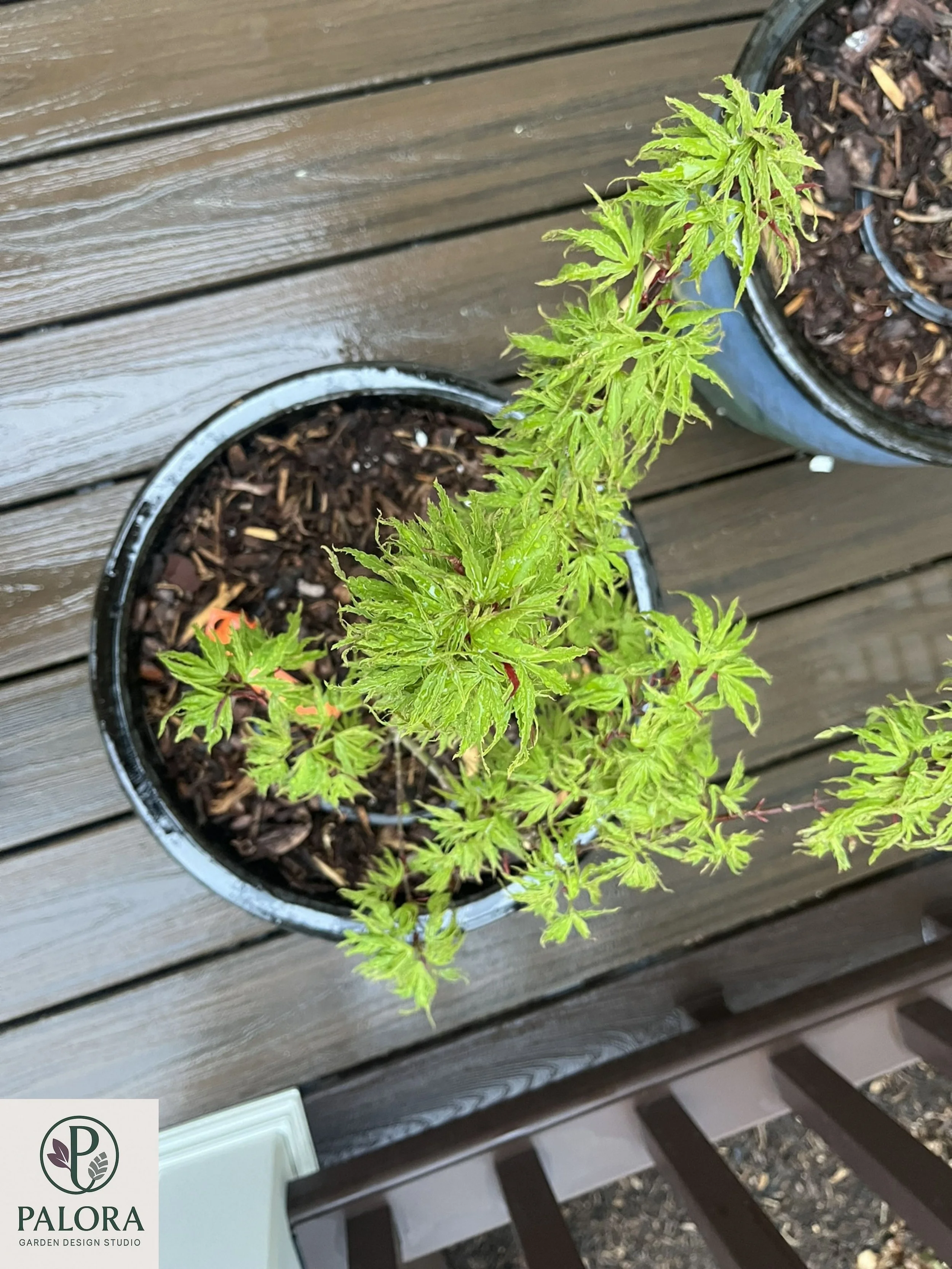 Image 3 of 3
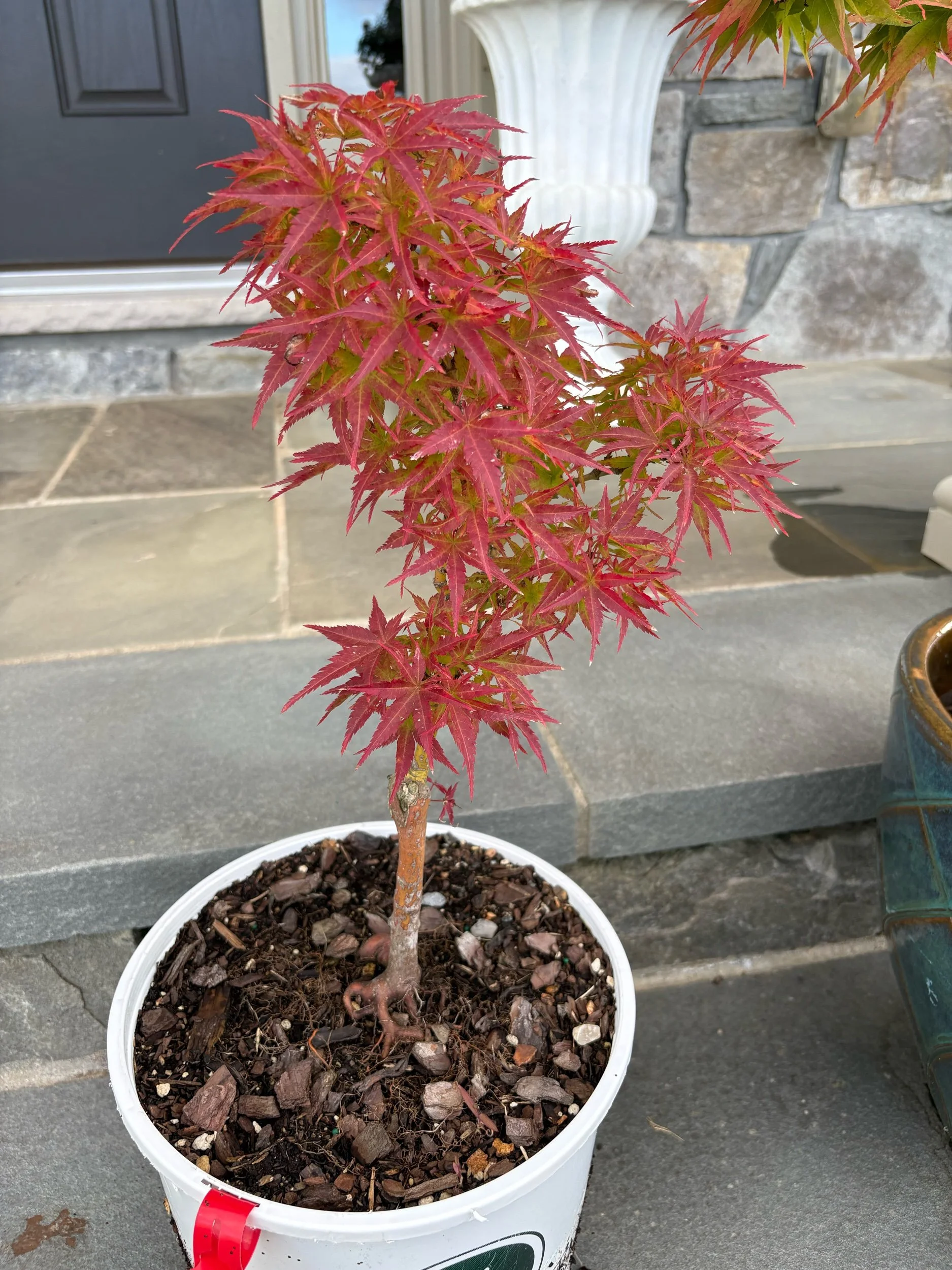
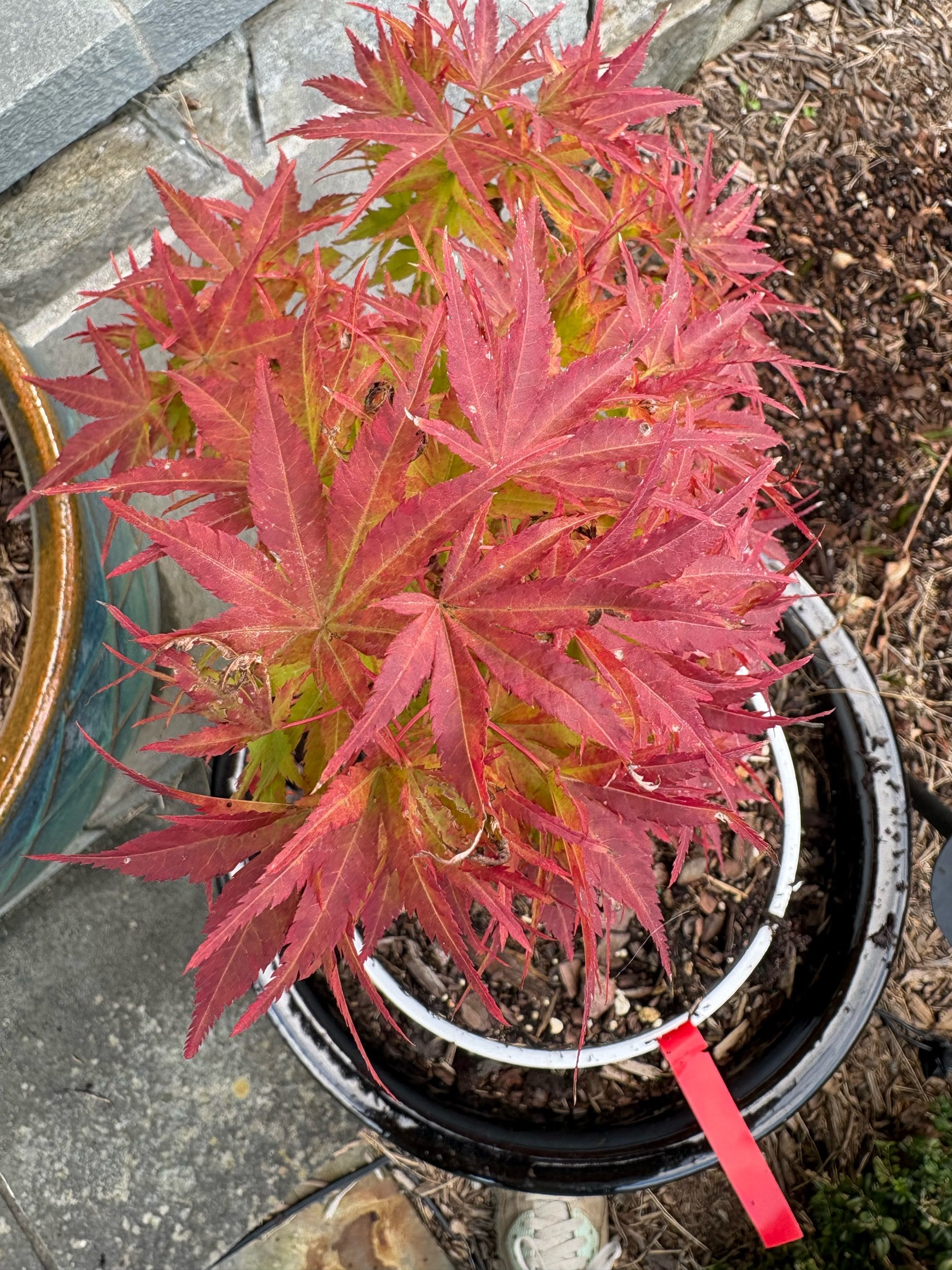
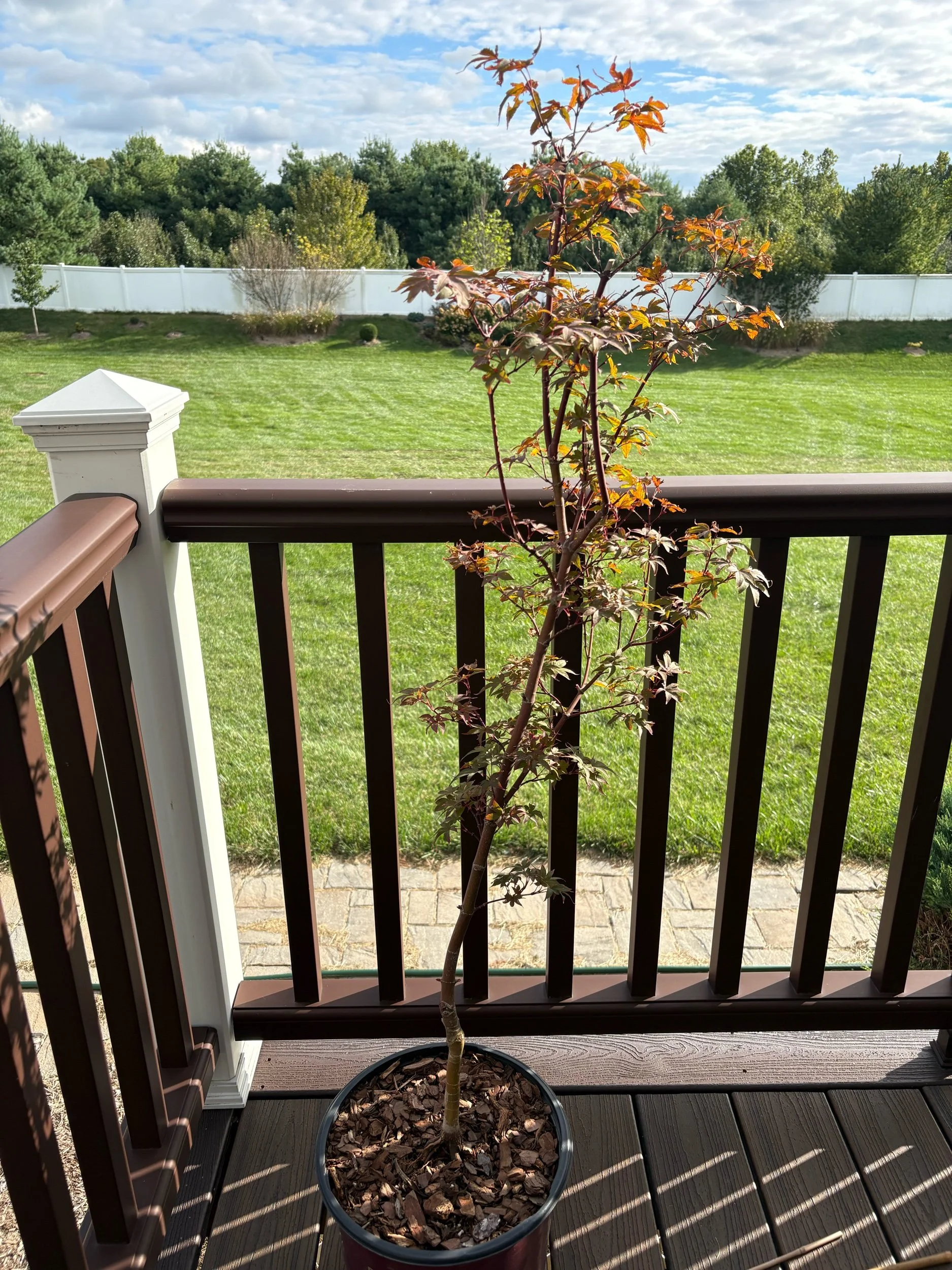
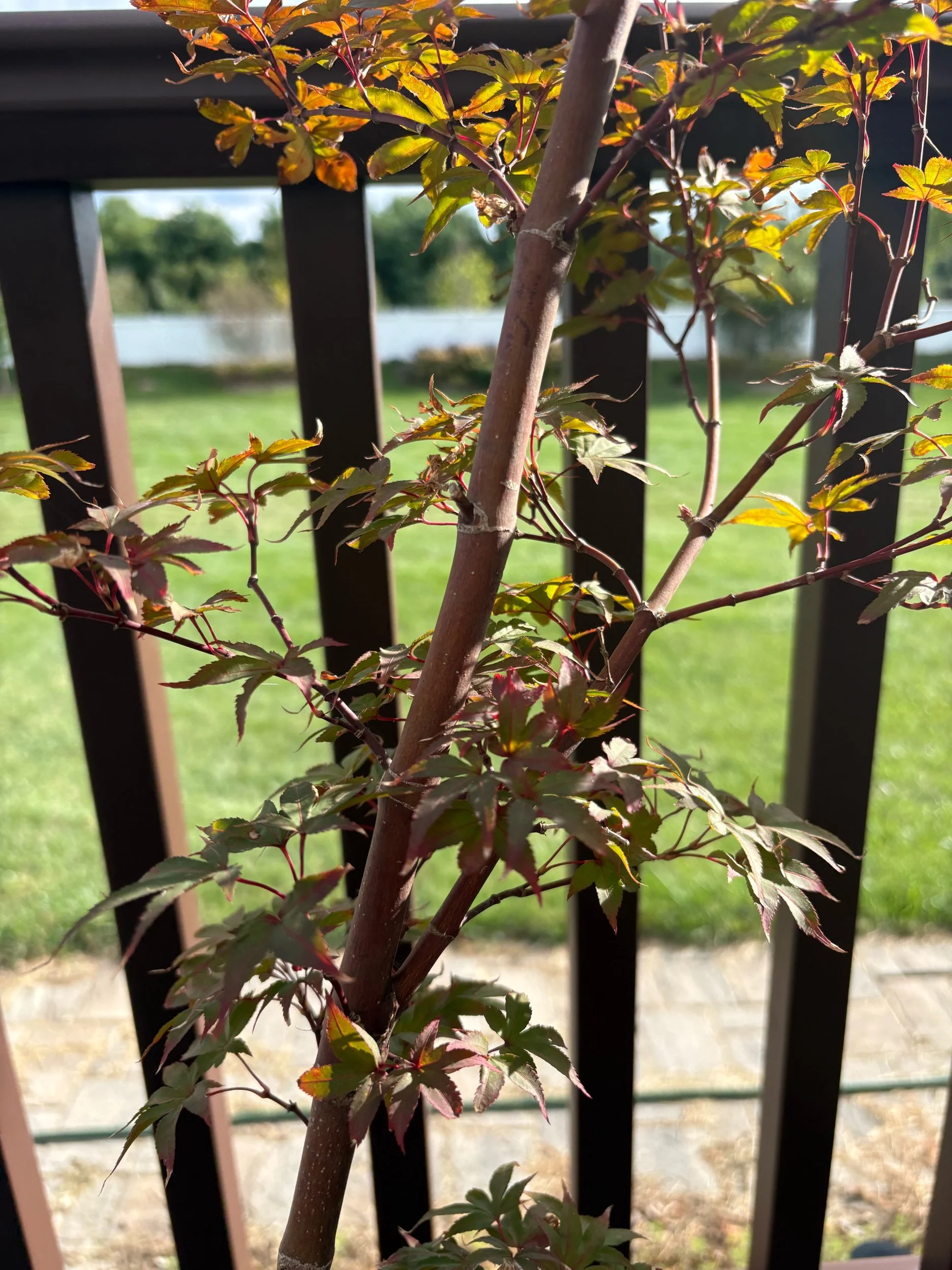
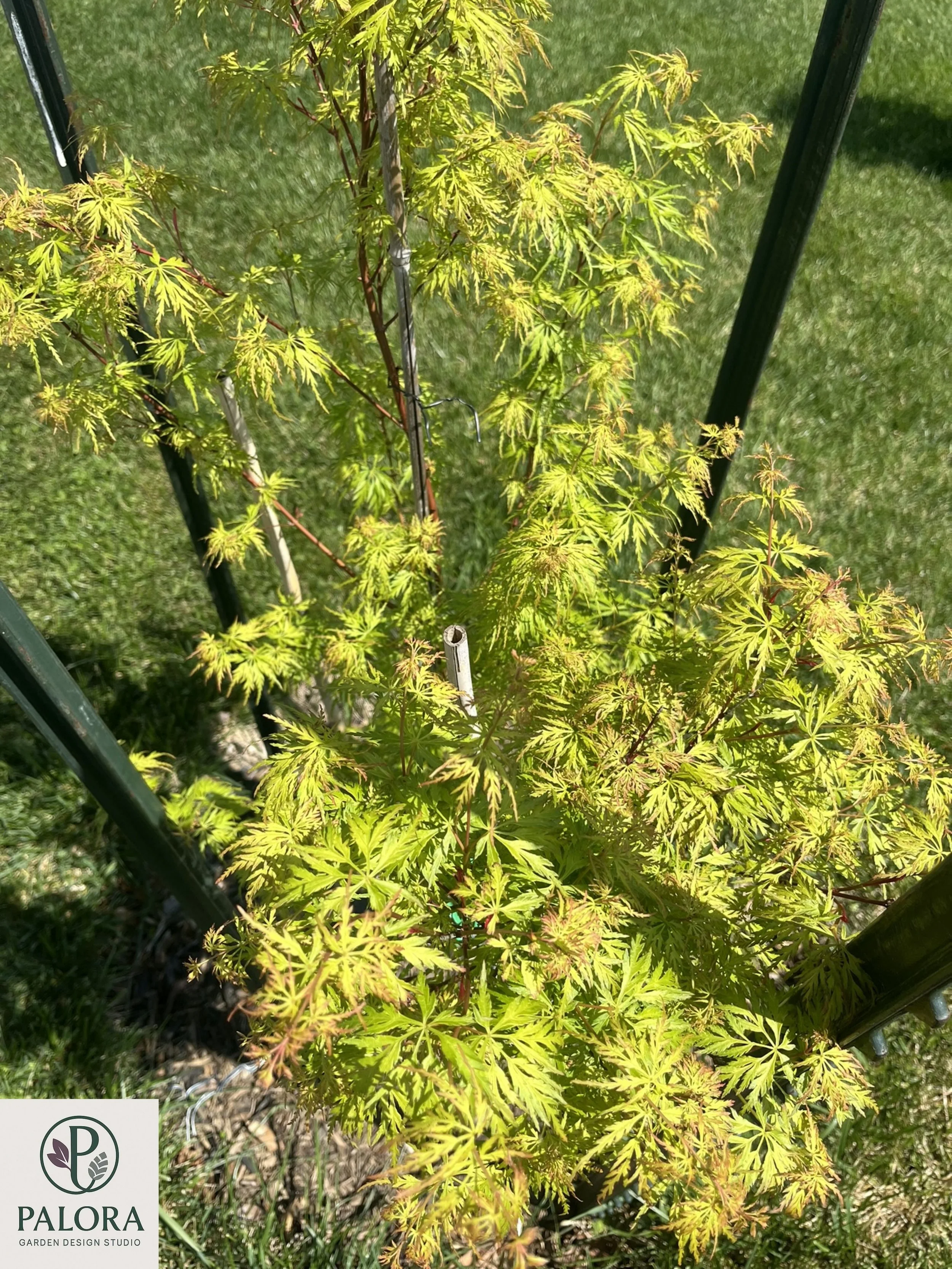
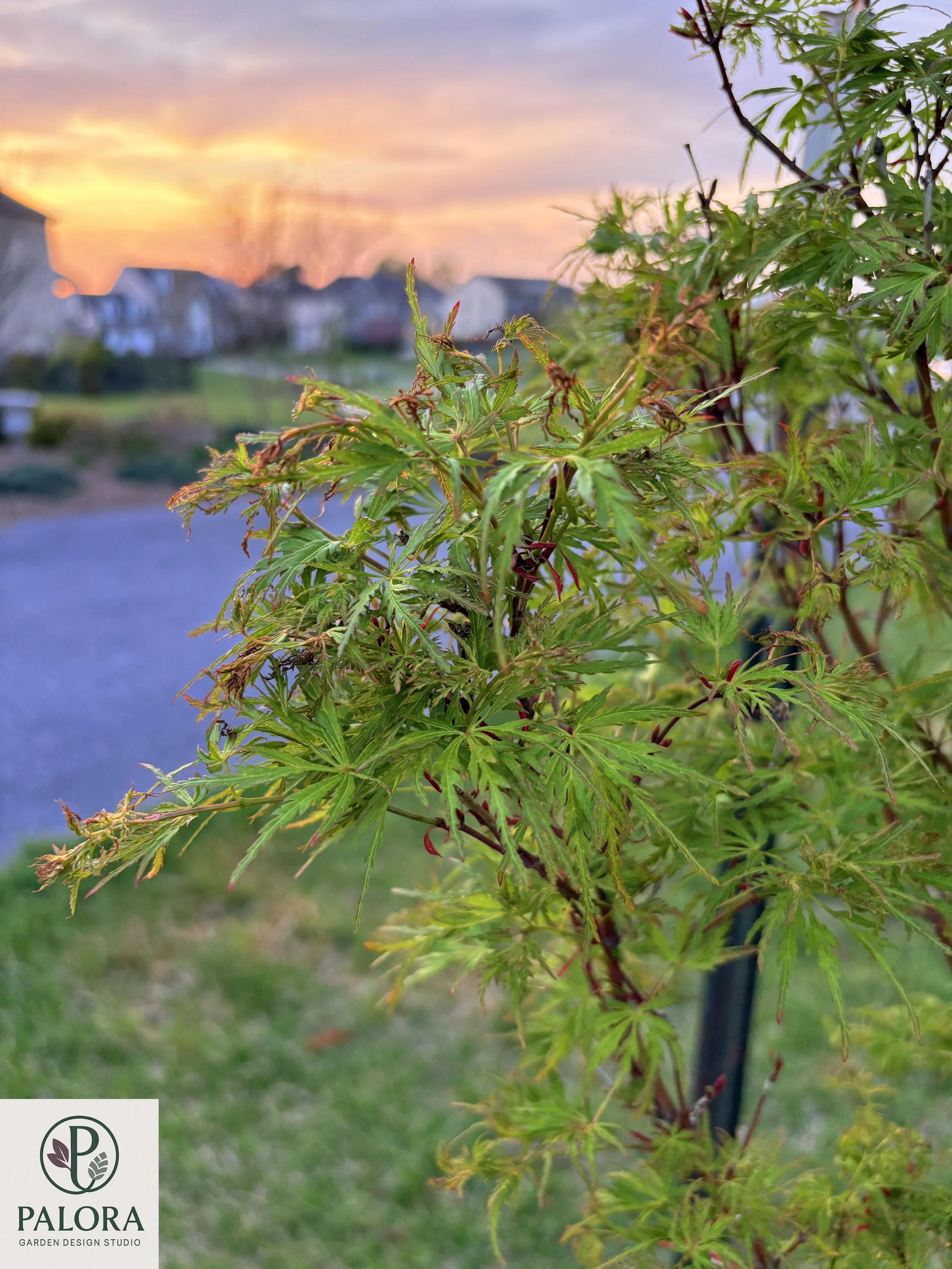
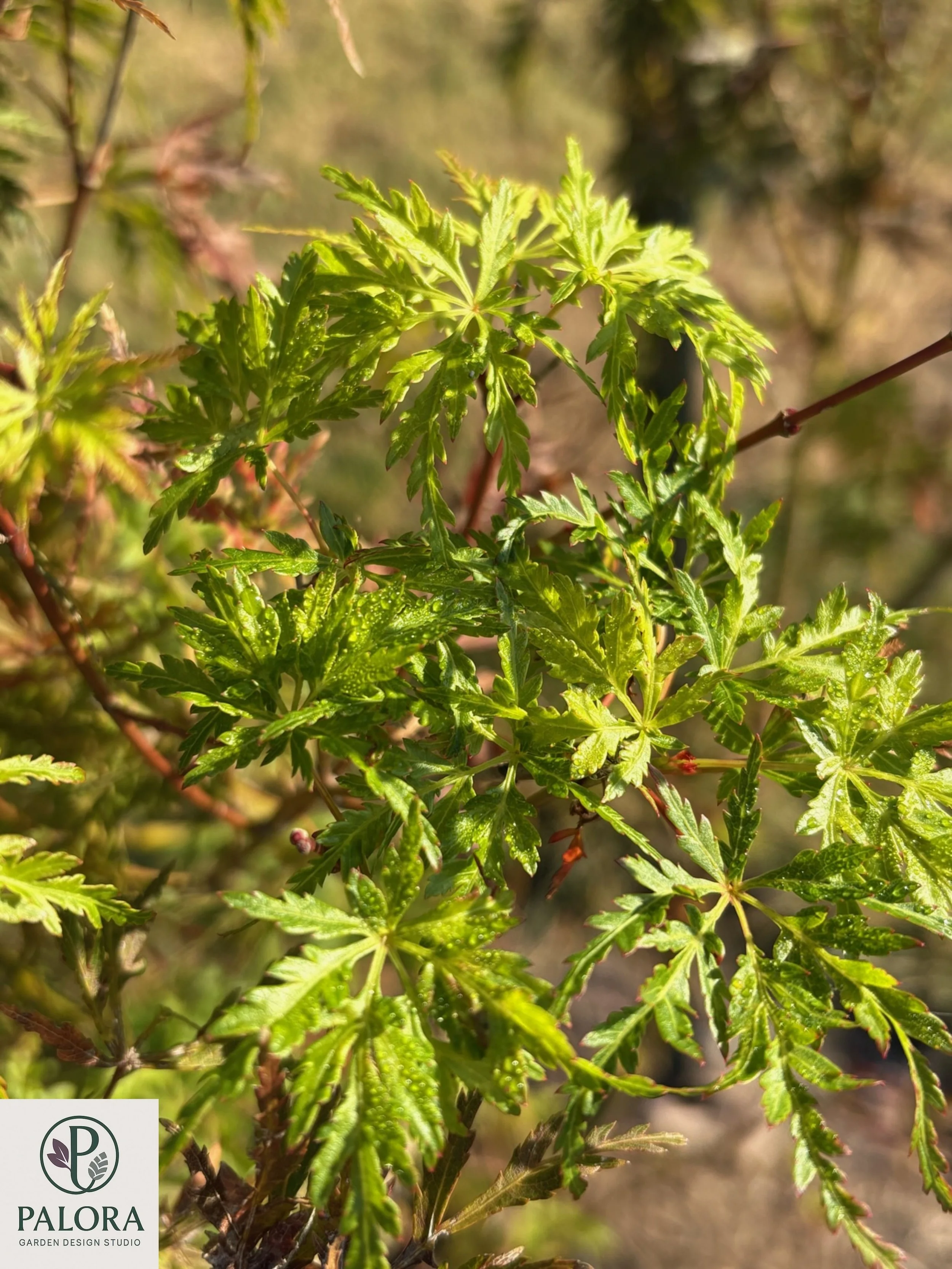
Acer palmatum ‘Lily Pad’ — A distinctive dwarf Japanese maple and variegated sport of ‘Mikawa yatsubusa’, valued for its exceptionally dense foliage, unusual ruffled leaf texture, and intricate cream-to-yellow variegation. Its low, rounded silhouette resembles a floating lily pad, creating a sculptural presence without occupying much garden space. The combination of tightly layered foliage and swirling variegation gives this cultivar a unique textural quality, making it particularly appealing for collector gardens, small foundation beds, containers, and carefully composed Japanese maple and conifer plantings.
Key characteristics:
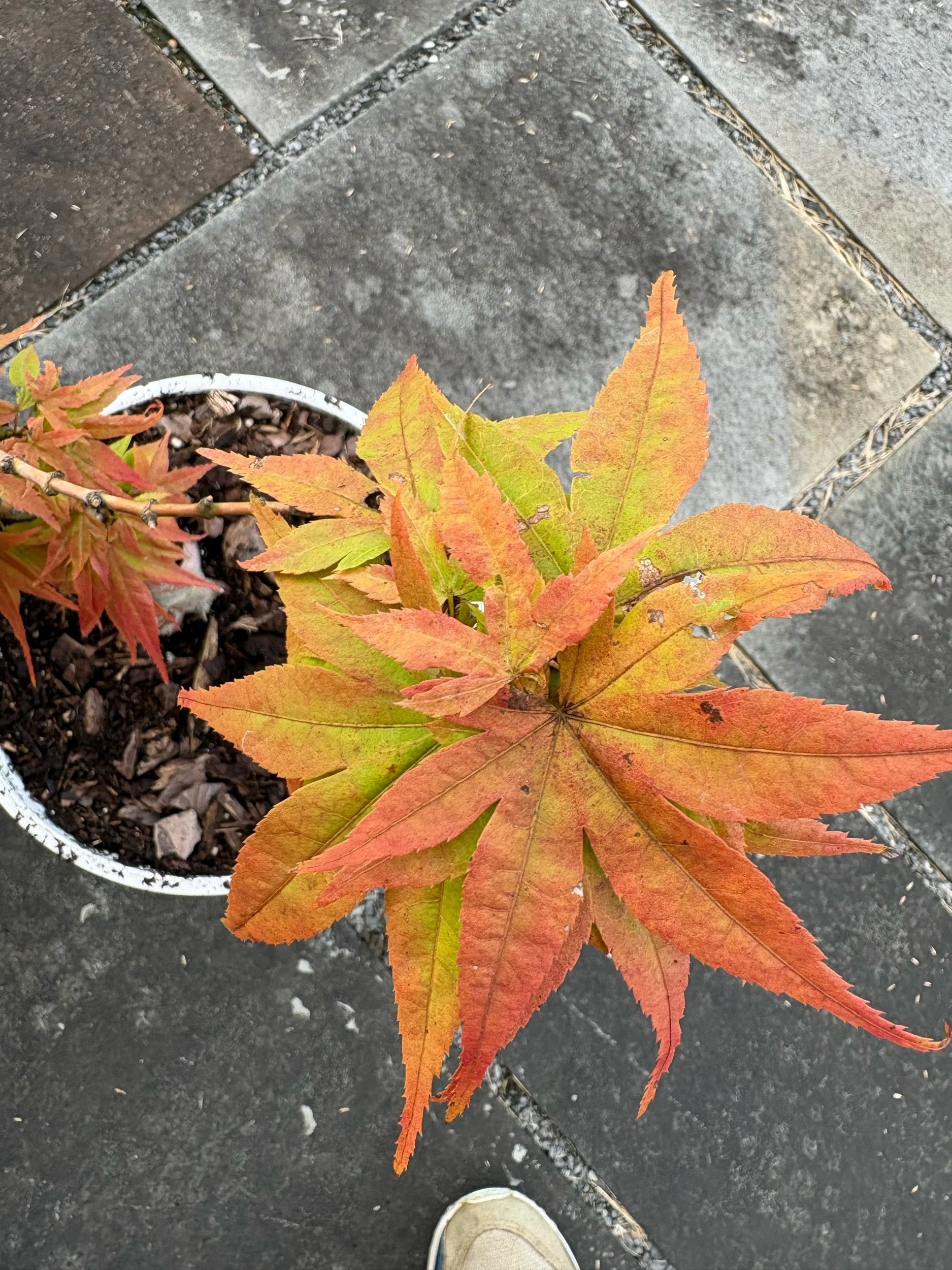
Leaf: Distinctive elongated, palmate leaves with pronounced ruffled edges and a swirling appearance. The densely layered foliage creates an intricate, almost flower-like texture.
Color: Bright green foliage emerges in spring with yellow-to-cream variegation across the leaf lobes. The variegation is considered relatively stable and continues through summer. Fall color develops into warm orange-red tones.
Habit: Very compact, dwarf, low-growing, and broadly rounded. Typically reaches approximately 3 ft tall × 4 ft wide in 10 years. Its naturally layered growth makes it an excellent specimen for smaller gardens, container cultivation, or as a textural foreground accent.
Light: Performs well in morning sun with afternoon shade or filtered light. Some sun exposure helps maintain healthy growth, while protection from intense afternoon sun is beneficial in warmer Zone 7 conditions.
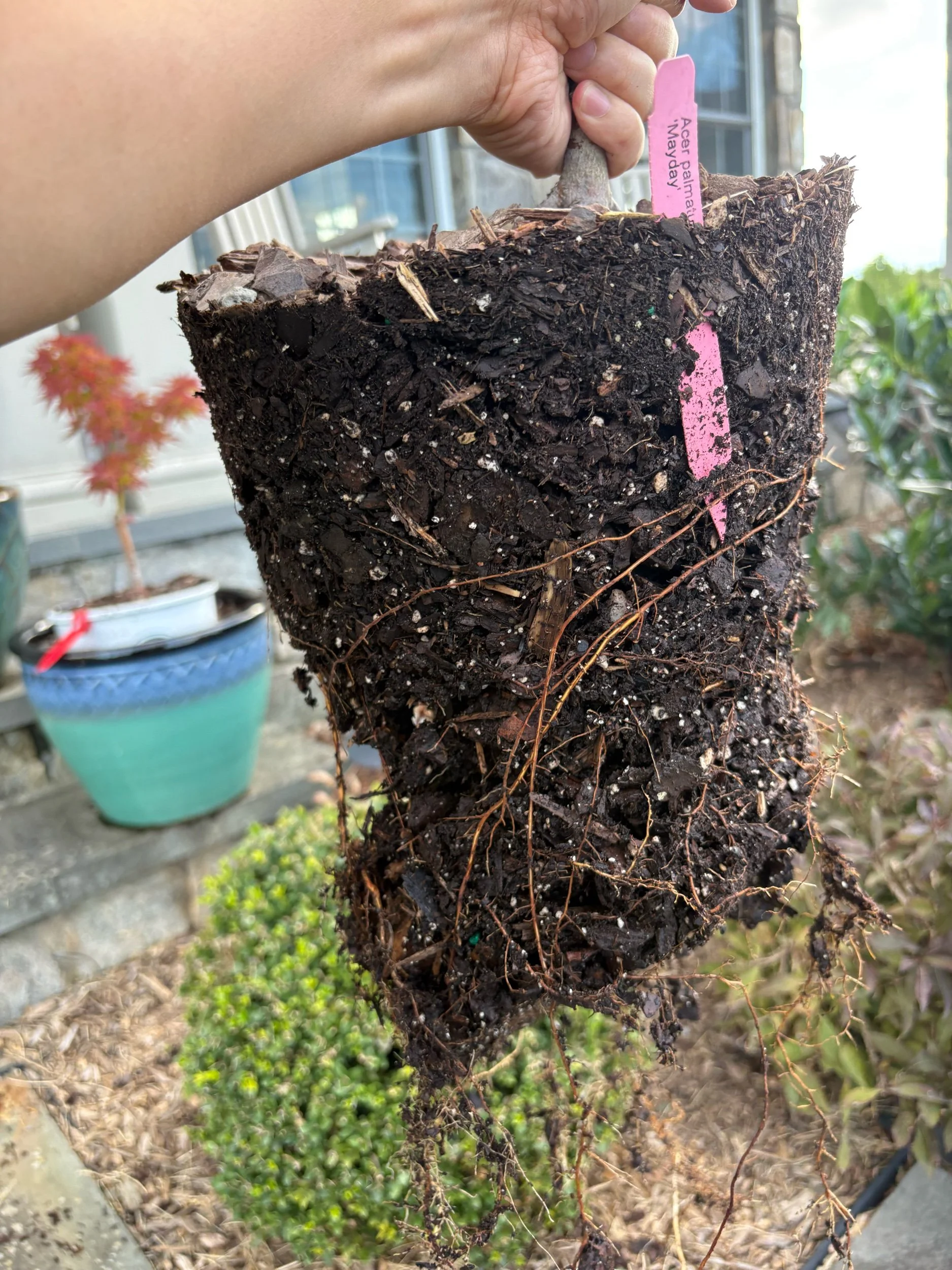
Soil & care: Performs best in organically enriched, well-draining soil with consistent moisture. Avoid prolonged saturation around the root system, particularly in heavier clay soils. Apply a light layer of mulch to moderate soil temperature and retain moisture, keeping mulch away from the trunk. Prune selectively to preserve its naturally compact, layered form.
Hardiness: Generally suited to USDA Zones 5–9, with performance influenced by local exposure, drainage, and microclimate.